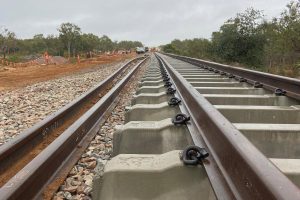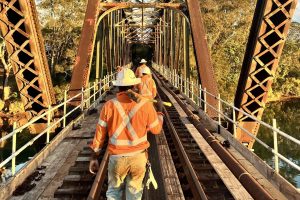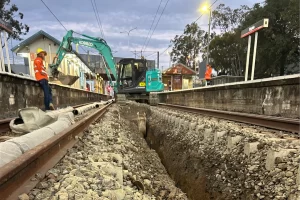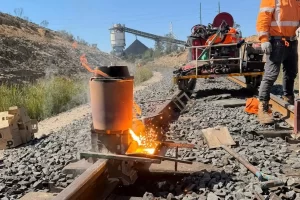
Darra formation rehabilitation works provided a stronger foundation for planned track renewal in Queensland. Matrix Unlimited supported the principal contractor with experienced rail personnel and specialist welding capability across the project.
Rail infrastructure depends on the condition of the layers beneath the sleepers and ballast. When those underlying materials deteriorate, the track may experience drainage problems, loss of support and recurring geometry defects. Therefore, renewing the visible track components alone may not resolve the underlying cause.
Working alongside the broader delivery team, Matrix personnel supported the formation, ballast and track activities needed to prepare the corridor for continued rail operations.
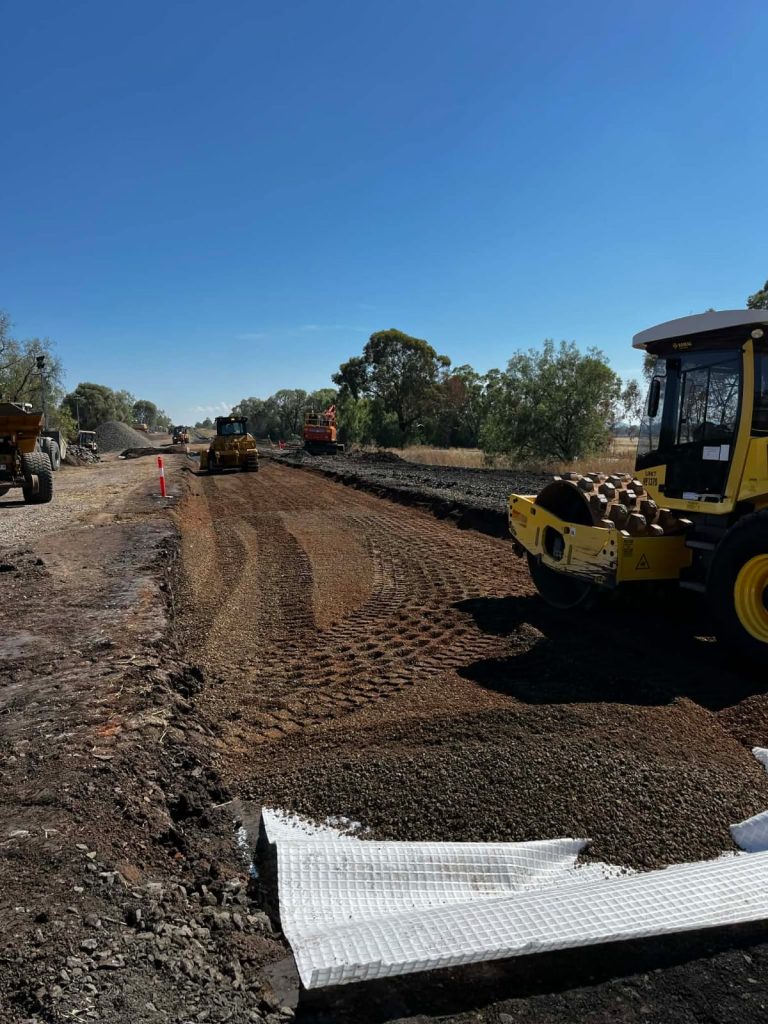
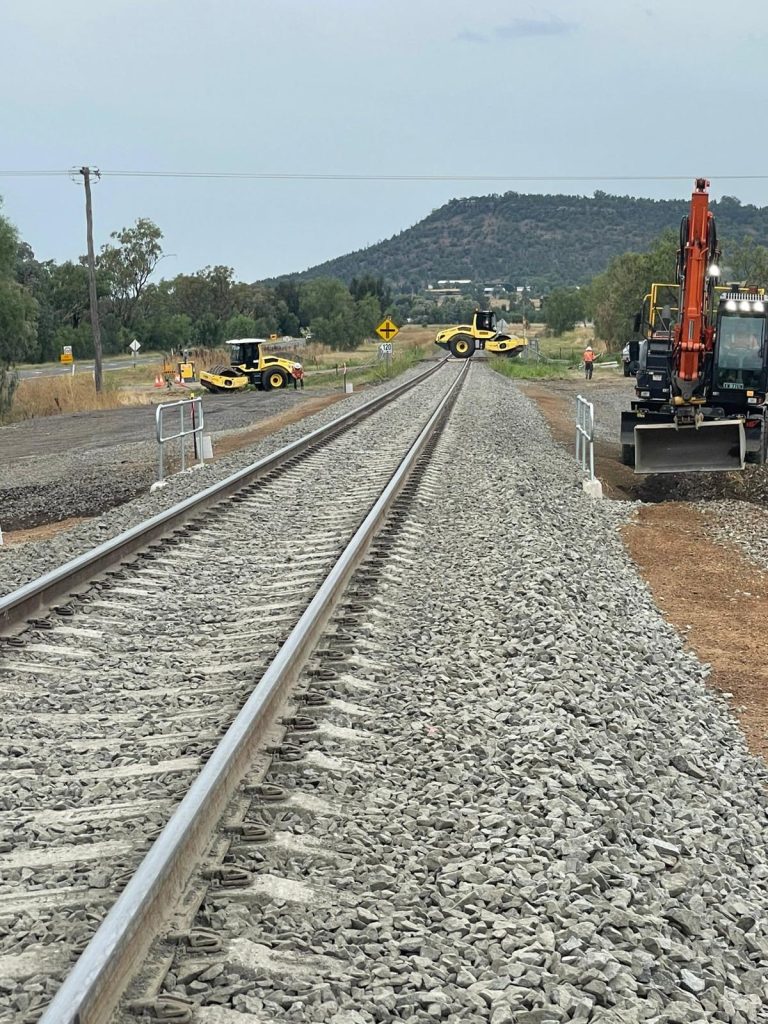
Darra Formation Rehabilitation Project Scope
The project combined several connected formation and track activities. Matrix Unlimited supplied skilled personnel and welding support across the agreed work package.
The supported activities included:
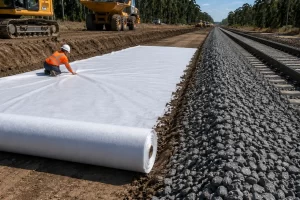
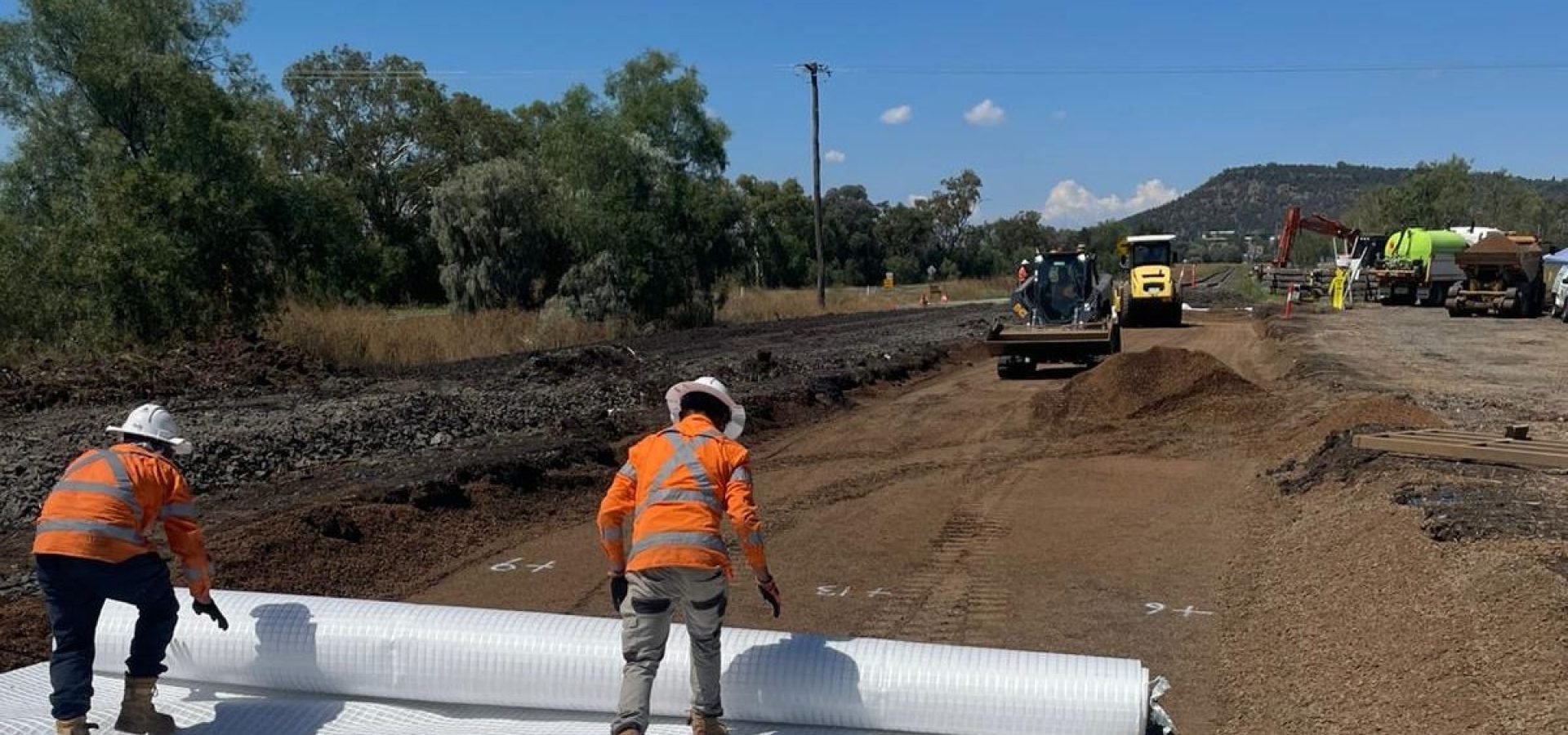
- Geofabric installation
- Formation rehabilitation
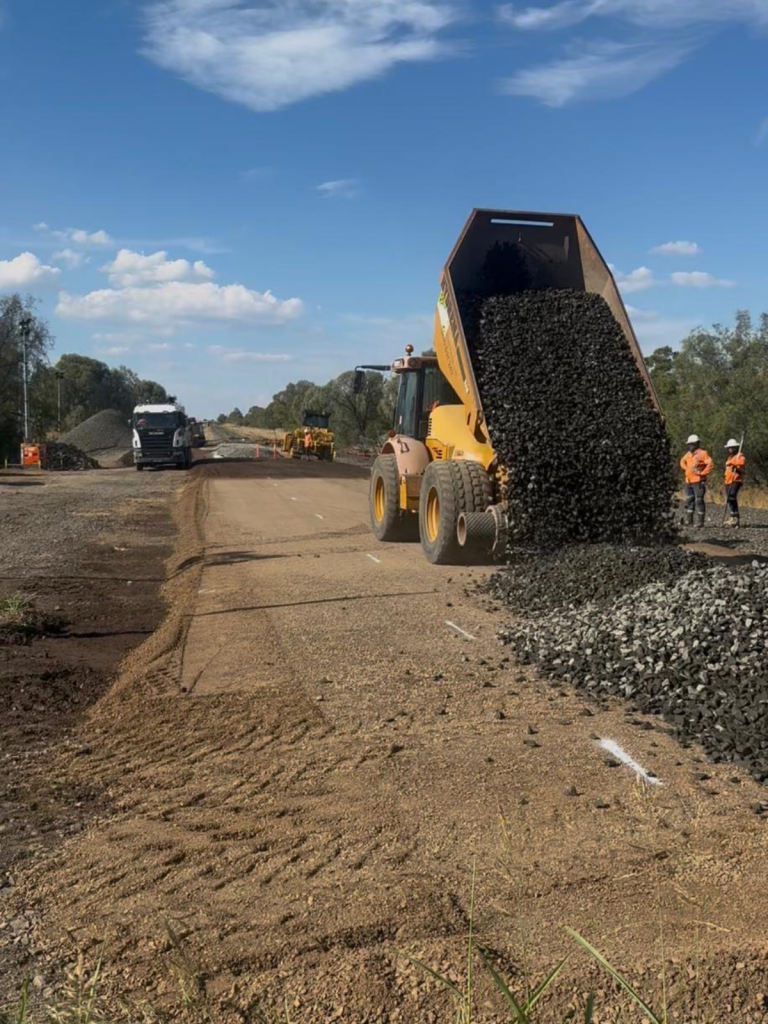
- Capping-layer placement
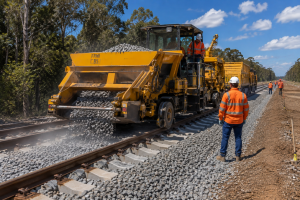
- Ballast installation
- Rail welding support
- General rail labour
- Worksite coordination
- Collaboration with the principal contractor
Each activity contributed to the overall track structure. For example, geofabric helps separate materials and manage contamination between formation layers. Meanwhile, the capping layer establishes a stable platform for ballast and track construction.
The project team then placed ballast to support the sleepers, distribute track loads and assist drainage. Specialist rail welding support also helped integrate the rail works into the broader renewal sequence.
Establishing a Stable Foundation for Track Renewal
Formation rehabilitation addresses the supporting layers beneath the railway track. These layers must provide suitable strength, stability and drainage for the completed track structure.
First, the delivery team prepares the work area and removes unsuitable or deteriorated material as required by the approved project methodology. Crews can then install separation or reinforcement materials, such as geofabric, before placing the nominated capping and structural layers.
Next, the team controls material placement, levels and compaction in accordance with the project requirements. This process creates a consistent base for the ballast, sleepers and rail above.
For a more detailed explanation, read What Is Formation Rehabilitation and Why Is It Critical?
Coordinating Formation and Track Activities
Formation work forms one part of a larger track renewal sequence. Consequently, crews must coordinate excavation, geofabric, capping, ballast, sleepers, rail and welding around the available access window.
Delays in one activity can affect every stage that follows. Therefore, supervisors must monitor productivity, plant movements, material availability and interfaces between work groups throughout the program.
Experienced personnel also help the project respond to changing site conditions. If crews encounter unsuitable material, water ingress or unexpected formation conditions, they must escalate the issue through the project’s approved process.
This coordinated approach allows the principal contractor to maintain control of the critical path while protecting safety and quality requirements. Our guide to rail possessions explains how teams sequence interconnected rail activities within limited access windows.
Geofabric, Capping and Ballast Installation
Geofabric can provide separation, filtration or reinforcement within the formation design. However, installation teams must protect it from tearing, folding and contamination during placement.
Capping material then provides a stable layer between the prepared formation and the track structure. Crews must place and compact this material consistently to achieve the project requirements.
Finally, ballast supports the sleepers, distributes rail loads and helps water drain away from the track. Correct placement prepares the track for alignment and tamping activities. Learn more about geofabric in railway formations and ballast installation in rail infrastructure.
Safety and Quality During Darra Formation Rehabilitation
Track work requires careful planning, clear communication and consistent worksite controls. The Office of the National Rail Safety Regulator identifies track-worker safety as an ongoing industry priority, particularly where teams work under time pressure alongside multiple parties.
Throughout the Darra project, Matrix personnel worked within the principal contractor’s site arrangements and applicable rail requirements. The team coordinated its activities with other work groups while maintaining the required safety, quality and communication standards.
Quality checks also support the completed formation. Depending on the project requirements, these checks may cover material placement, layer thickness, compaction, levels, drainage interfaces and installation records.
Supporting Track Renewal in Darra, Queensland
The Darra formation rehabilitation project demonstrates the importance of treating the railway as one interconnected structure. Formation, drainage, geofabric, capping, ballast, sleepers, rail and welds must work together to support reliable track performance.
Matrix Unlimited supported this outcome by supplying experienced rail personnel and specialist welding capability. Moreover, the team worked collaboratively with the principal contractor across the nominated formation and track activities.
Matrix supports defined rail construction, maintenance and renewal packages across Queensland and other Australian project locations. Our capability includes skilled labour, supervision, rail welding, civil support, plant and qualified operators.
Planning Formation Rehabilitation or Track Renewal?
Effective track renewal begins with the right people, resources and work sequence. If you are planning formation rehabilitation, rail maintenance or renewal works, contact Matrix Unlimited to discuss the labour, welding, plant and supervision required for your defined project package.