For most rail passengers, railway maintenance seems to happen almost invisibly. A section of track closes, rail crews complete the required works, and services resume.
Behind that process, however, is a carefully planned and highly coordinated rail possession involving people, plant, materials, safety controls and multiple work activities operating within a limited window.
For rail infrastructure owners, principal contractors and project managers, possession time is valuable. Every hour needs to be used effectively while ensuring work is completed safely, to specification and within the agreed program.
So, what actually happens during a rail possession?
What Is a Rail Possession?
A rail possession is a controlled period that gives authorised crews access to a defined section of railway infrastructure for construction, maintenance, inspection or renewal activities.
Depending on the network and scope of work, network operators may restrict or exclude normal train movements through the affected area while authorised crews complete the works.
Possessions provide the controlled access needed to undertake activities that may be difficult or impossible while normal rail operations continue.
These works can include track renewal, rail replacement, sleeper replacement, rail welding, ballast works, formation rehabilitation, drainage upgrades and other infrastructure maintenance.
Importantly, a possession is not simply a period when trains stop running. It is a carefully managed operational window with defined access arrangements, safety requirements, work boundaries and handback conditions.
The Work Starts Long Before the Possession
Project teams begin planning a successful rail possession well before crews arrive on site.
Planning teams need to understand the scope, available access time, workforce requirements, plant, materials and sequence of activities. Planning teams must also identify potential conflicts between different work groups.
For example, a major track renewal may require rail crews to remove old rail and sleepers before formation or ballast works begin. Crews can then install new sleepers and rail before welding, ballast placement, tamping and final inspections.
Each activity depends on the previous stage being completed correctly and on time.
When the possession window begins, there is little room for avoidable delays.
Therefore, effective possession planning considers:
- Scope of works
- Site access and work boundaries
- Safeworking requirements
- Workforce and competencies
- Plant and equipment
- Material delivery and storage
- Work sequencing
- Environmental controls
- Inspection and quality requirements
- Contingency planning
- Final handback requirements
Establishing Safe Access to the Railway
Before physical work begins, safeworking teams must establish the required rail safety and access arrangements in accordance with applicable network rules and project requirements.
Only once the relevant protections and authorities are in place can work groups enter the controlled area and begin their activities.
This stage is critical because rail construction may involve multiple crews, heavy plant, mobile equipment and specialist activities operating within the same possession.
Clear communication is therefore essential.
Everyone involved needs to understand the worksite boundaries, planned activities, applicable controls and how their work interacts with other teams.
What Happens Once Work Begins?
Once access has been established, the focus shifts quickly to delivery.
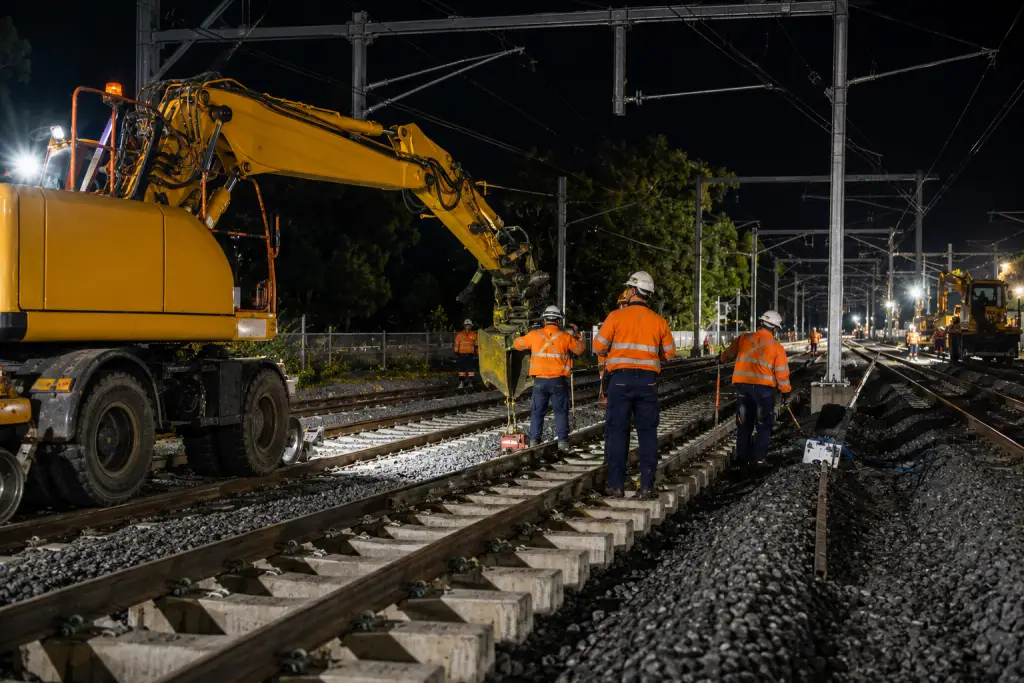
The exact sequence depends on the project, but a track renewal possession may involve several interconnected activities.
- Existing Infrastructure Is Removed
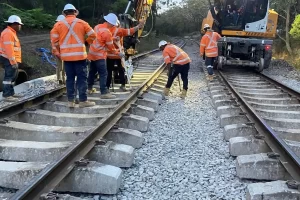
During track renewal, crews may first remove existing rail, sleepers, fastenings or contaminated ballast.
Plant and labour must work together efficiently so the site is ready for the next stage without unnecessary delay.
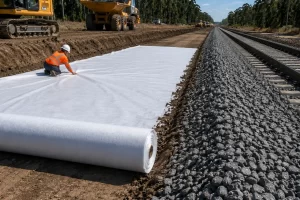
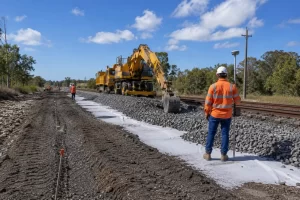
- Formation and Drainage Issues Are Addressed
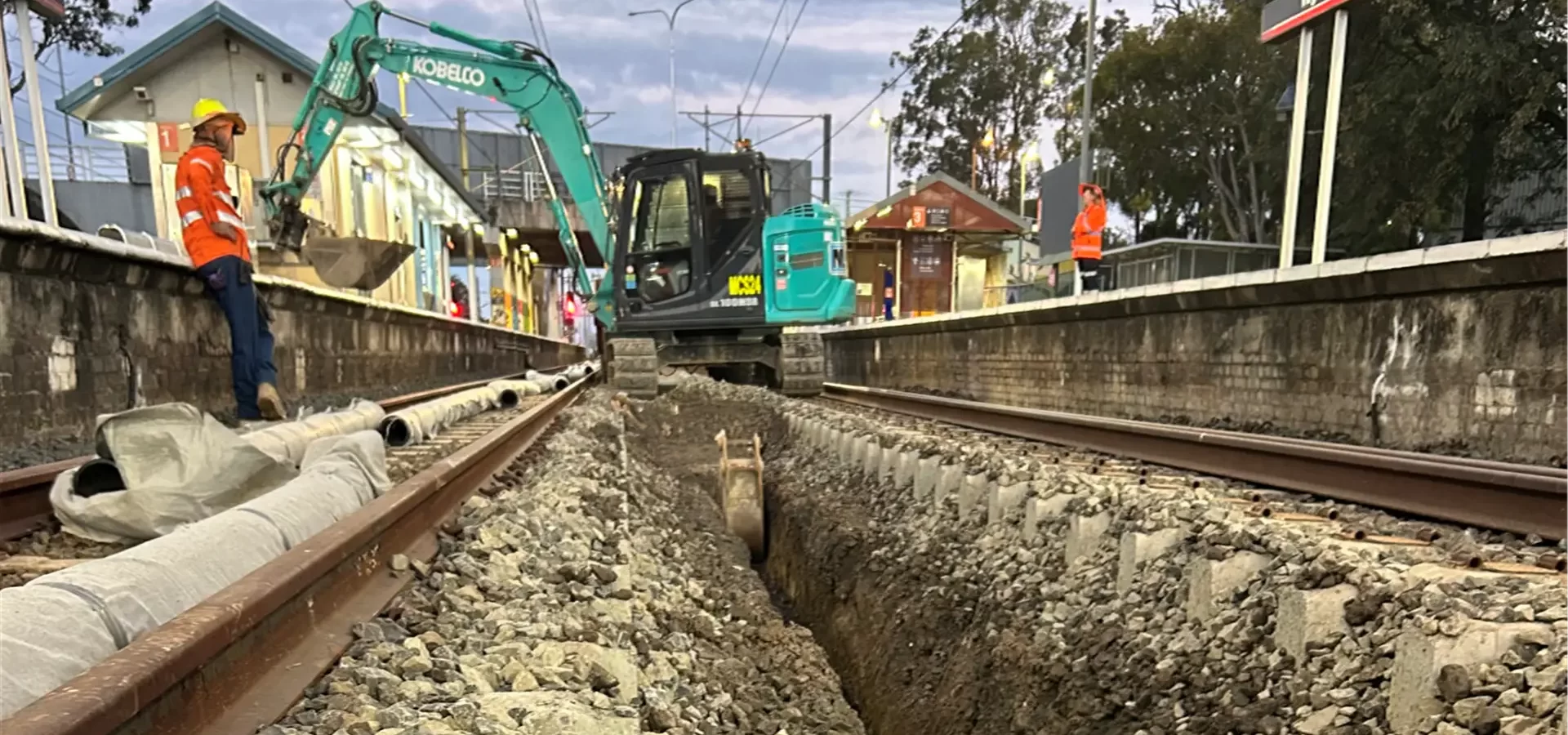
If underlying track conditions have deteriorated, the possession may also include excavation and formation rehabilitation.
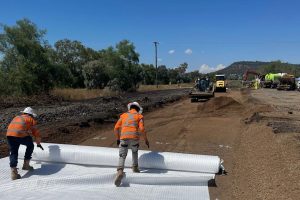
Civil crews may install geofabric, capping materials or drainage improvements where required before the track structure is rebuilt.
Addressing these underlying issues is important. Simply replacing rail and sleepers above a failed formation may not resolve the cause of recurring track defects.
- Sleepers and Rail Are Installed
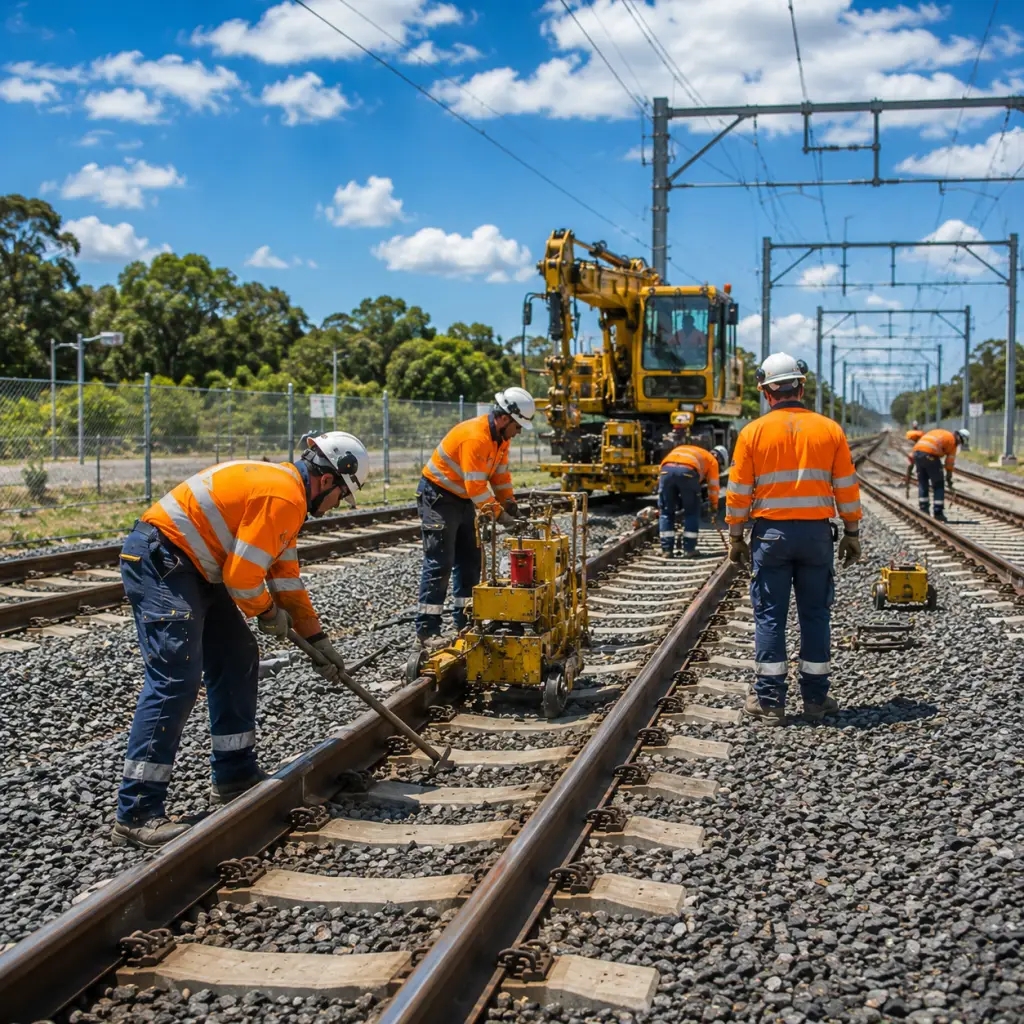
Once the foundation is ready, track crews position new sleepers and install the rail.
Accuracy at this stage supports the subsequent alignment, welding, ballast and tamping activities.
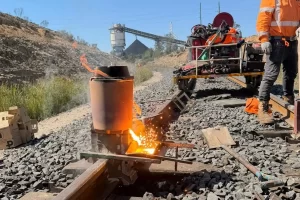
- Rail Welding Is Completed
Specialist rail welders then complete the required welding to create rail continuity.
Preparation, alignment, welding and finishing must be completed carefully because weld quality directly influences the integrity of the finished track.
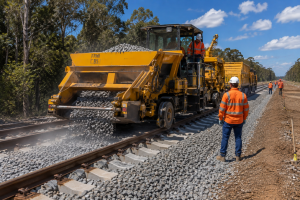
- Ballast Is Placed and the Track Is Tamped
Crews place ballast around and beneath the sleepers to provide support, distribute loads and facilitate drainage.
Tamping can then lift, align and stabilise the track to achieve the required geometry.
Possession Delivery Is a Sequencing Exercise
One of the greatest challenges during a rail possession is that many activities are interdependent.
A delay in excavation can affect sleeper installation. Delayed rail installation can hold up welding. In turn, late welding may affect ballast, tamping, inspection and final handback.
This is why successful possession delivery requires more than having enough people on site.
The right people, plant and materials need to be available at the right time and in the right sequence.
Experienced supervisors and project teams continually monitor progress throughout the possession. If conditions change, resources may need to be adjusted to protect the critical path.
In this environment, good communication can make the difference between recovering lost time and allowing a small delay to affect the entire program.
The Importance of Experienced Rail Personnel
Possession environments can be demanding.
Work may take place overnight, on weekends or across extended shifts. Crews may also be working alongside several other contractors within a tightly controlled corridor.
Experienced rail personnel understand these conditions.
They know the importance of following safeworking requirements, communicating clearly and maintaining productivity without compromising quality.
Just as importantly, experienced crews understand that completing their individual task is only one part of the objective. Their work must support the overall possession program.
Plant and Logistics Need to Be Ready
Possessions leave little room for missing equipment or late materials.
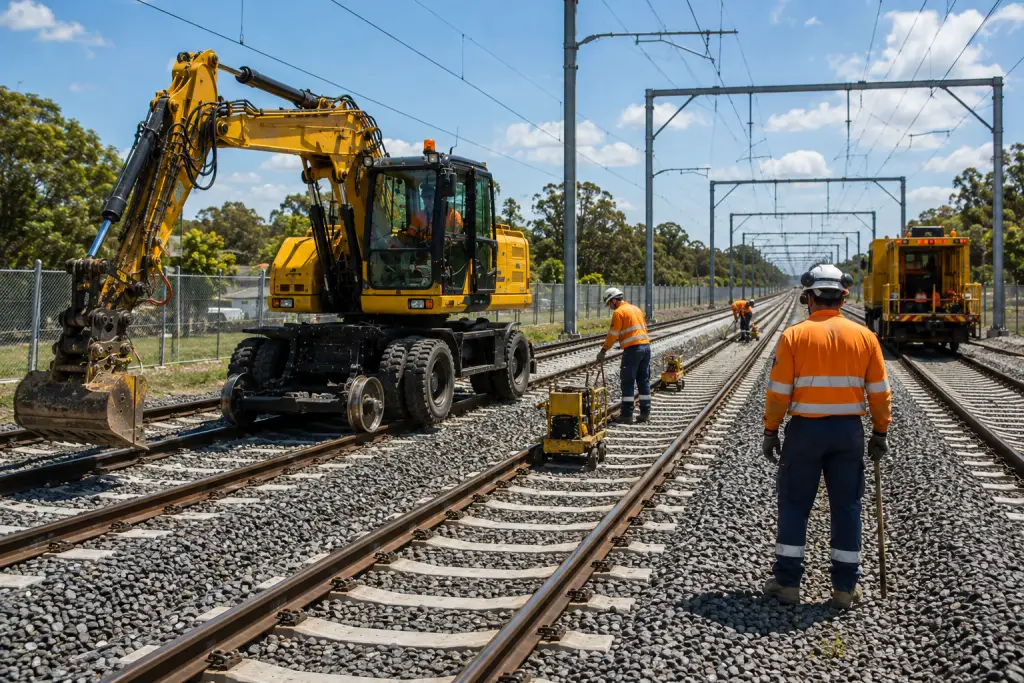
Excavators, loaders, trucks, rail equipment, welding equipment and other specialist plant may all be required at different stages of the work.
Materials can include:
Rail • Sleepers • Ballast • Geofabric • Capping Material • Drainage Components • Fastenings
Project teams coordinate material deliveries around access constraints and the planned work sequence.
As a result, good logistics planning often begins days or weeks before the actual possession.
Quality Still Matters When Time Is Limited
Possession deadlines create pressure, but speed cannot come at the expense of quality.
Inspection and quality assurance activities need to occur throughout the works rather than being left until the end.
Depending on the project, this may include checking formation preparation, material placement, rail installation, weld quality, track geometry and other specified requirements.
Progressive inspection helps identify issues while there is still time to correct them.
This is particularly important because once the possession is handed back, access to the infrastructure may again become restricted.
Preparing the Railway for Handback
Completing the construction scope does not automatically mean the possession is finished.
Before the railway can be returned to operation, the worksite must satisfy the applicable inspection, safety and handback requirements.
Crews clear plant, equipment and surplus materials from the worksite as required. The responsible inspection teams check the completed infrastructure and address any outstanding issues.
The objective is straightforward:
complete the planned scope, confirm the railway is ready and hand the infrastructure back safely within the agreed possession window.
For project teams, this final stage is just as important as the construction itself.
Why Good Possession Planning Matters
Well-managed rail possessions allow significant volumes of infrastructure work to be completed within relatively short periods.
When planning, people, plant and materials come together effectively, infrastructure owners can achieve major maintenance and renewal outcomes while limiting disruption to network operations.
Poor planning, however, can have the opposite effect. Delays may increase costs, affect other contractors and potentially place pressure on the planned handback.
For this reason, successful possession delivery depends on collaboration across the entire project team.
Asset owners, principal contractors, safeworking personnel, supervisors, construction crews, plant operators and specialist contractors all have a role to play.
Supporting Rail Possession Works Across Australia
Matrix Unlimited supports rail possession works through experienced rail personnel, specialist construction capability, rail welding, civil works, labour and plant.
Our teams understand the demands of working within tightly controlled rail environments where safety, sequencing and productivity are equally important.
Whether supporting track renewal, maintenance, formation rehabilitation, drainage works or specialist rail activities, Matrix works collaboratively with project teams to help keep possession programs moving.
Planning an Upcoming Rail Possession?
Successful possession delivery starts with having the right resources in place before the access window begins.
If you’re planning track renewal, rail maintenance or infrastructure works, speak with Matrix Unlimited about the experienced personnel, specialist services and plant required to support your next project.