
Railway Sleepers: Types, Functions and Installation
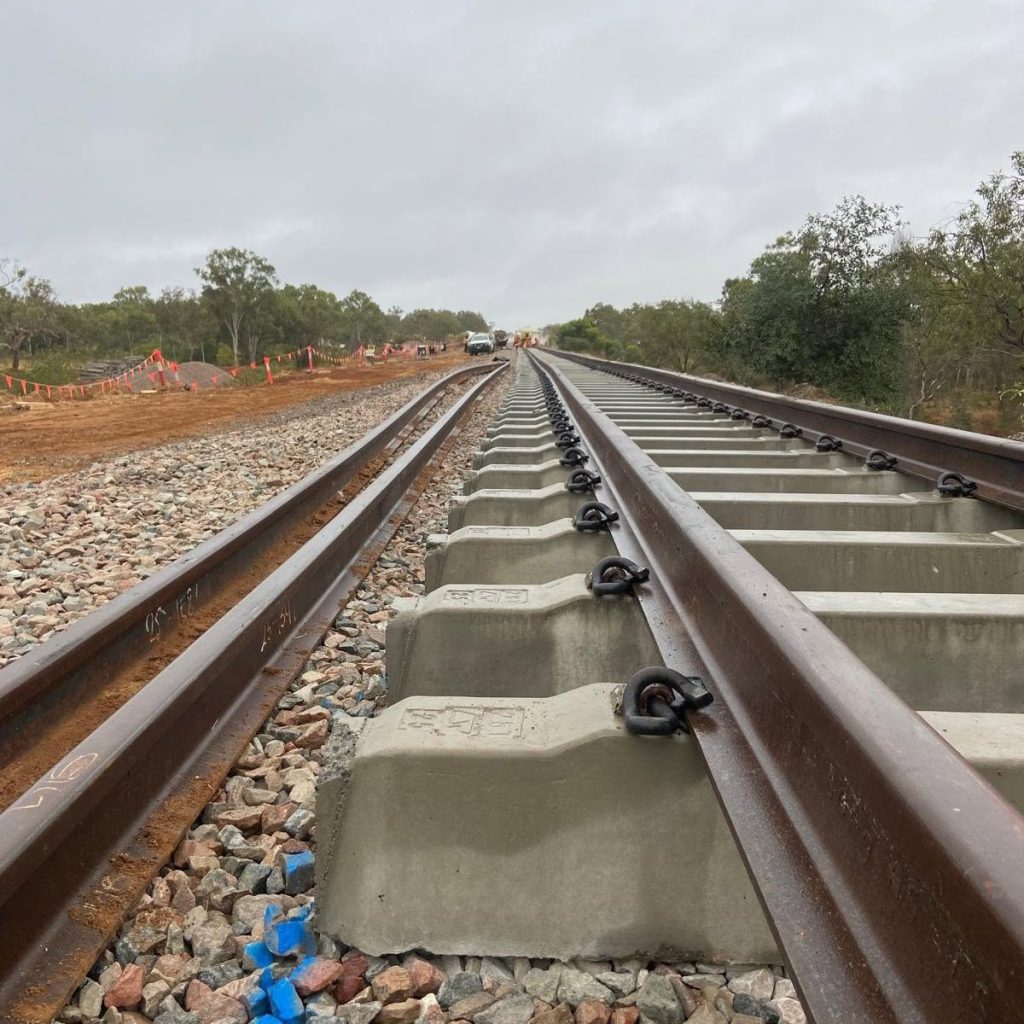
Railway sleepers form the transverse support system beneath the rails, helping maintain track gauge, distribute wheel loads and hold the track in position. Although they may appear simple, their material, fastening system, spacing, condition and support all influence how the track performs. This guide explains the main sleeper types used across Australian rail networks, how […]
Why Preventative Rail Maintenance Saves Millions
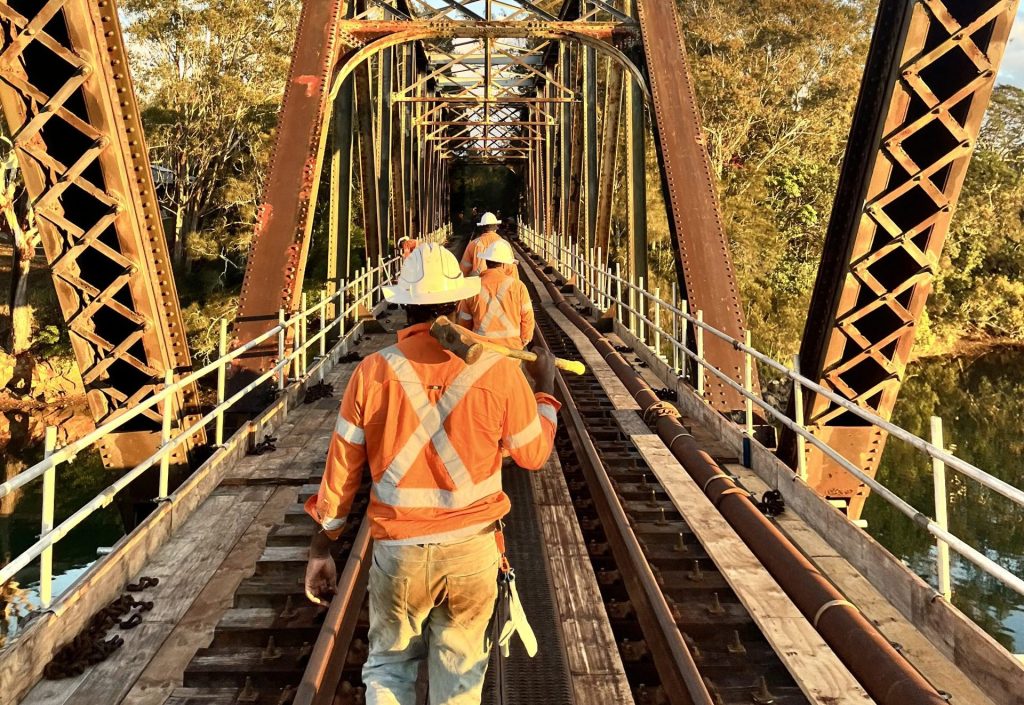
Rail maintenance protects the safety, reliability and long-term value of rail infrastructure. When asset owners identify deterioration early, they can plan targeted work before a manageable defect develops into an operational restriction, major renewal or service-affecting failure. Preventative work does not remove every fault, nor does it replace engineering assessment or asset-owner decision-making. However, a disciplined […]
Wet Hire vs Dry Hire – Which Is Best?
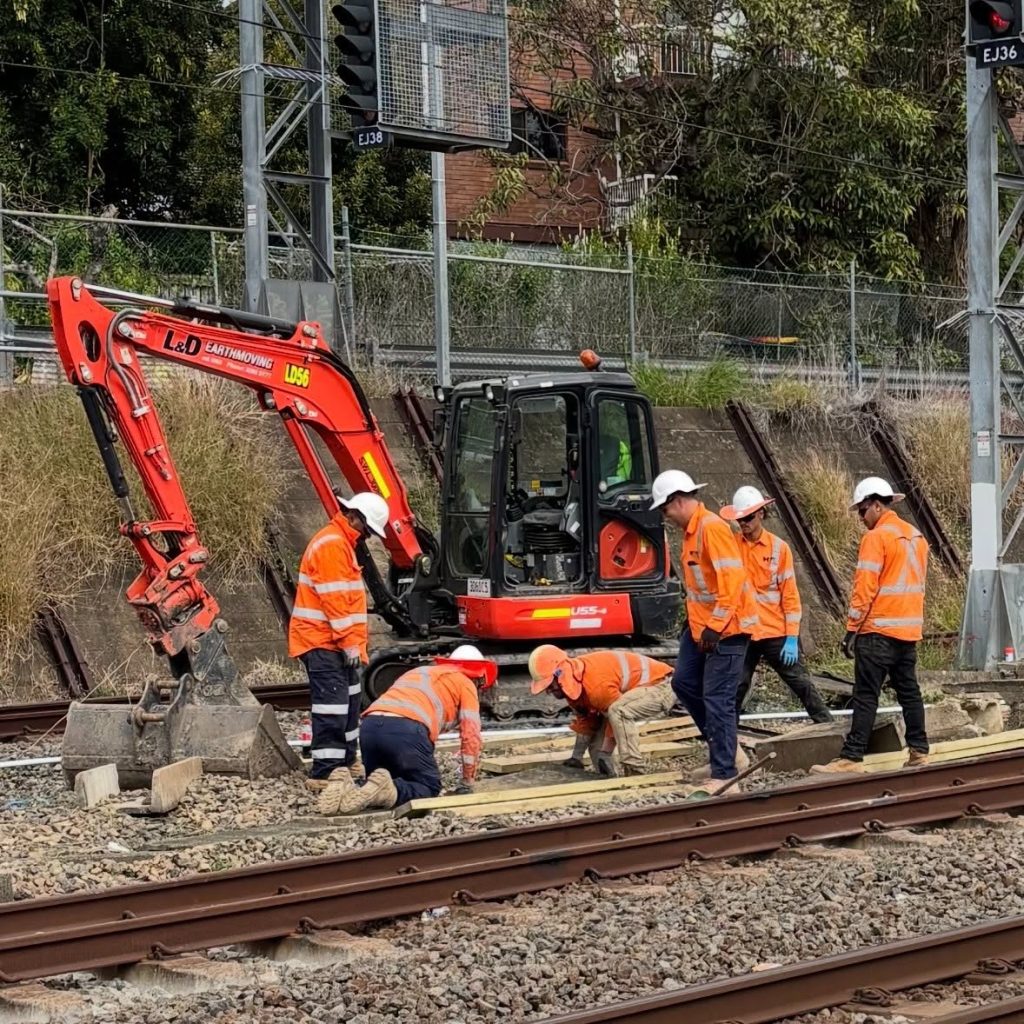
When a project needs an excavator, choosing the right machine is only part of the decision. You also need to decide how you will hire it. For many rail, civil and infrastructure projects, the choice comes down to wet hire or dry hire. A wet hire excavator comes with a qualified operator, while dry hire […]
How Rail Labour Hire Reduces Project Risk
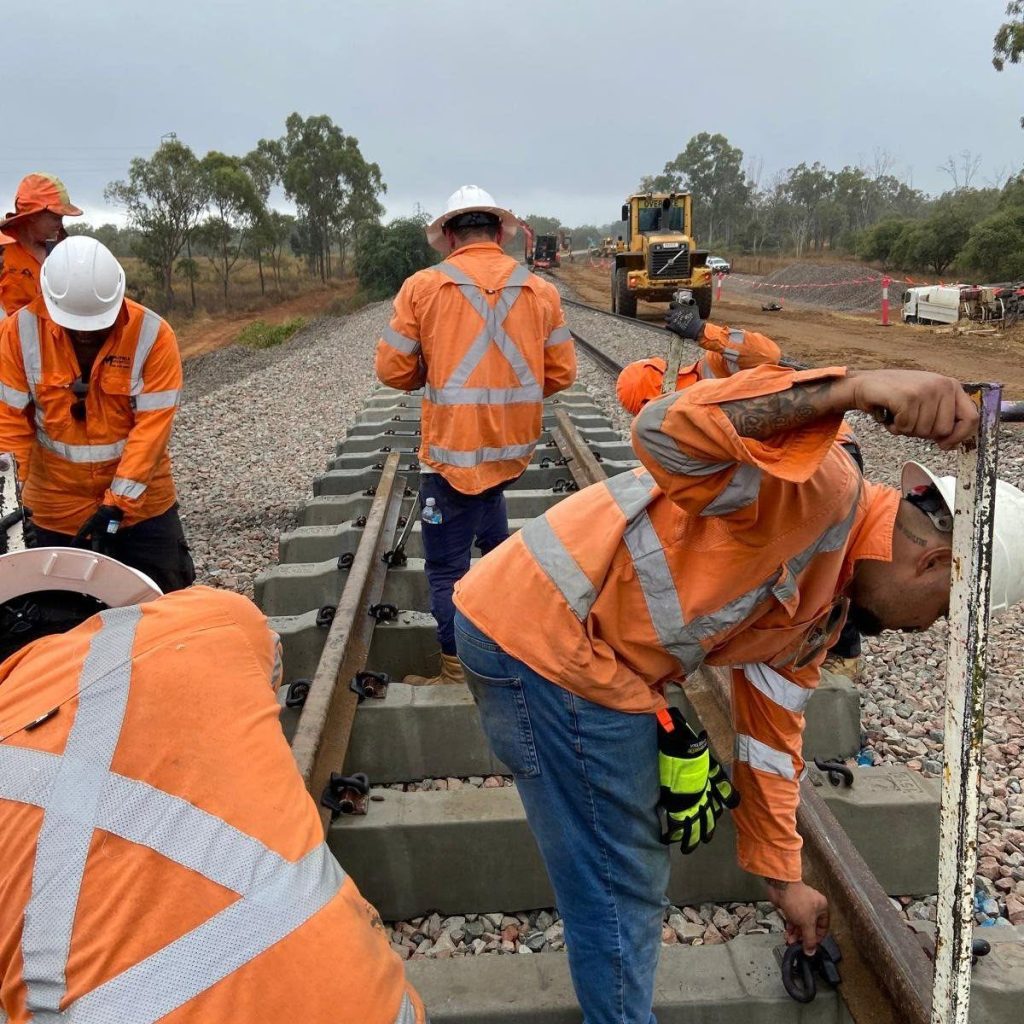
Rail projects operate within demanding safety, scheduling and operational environments. Access windows may be limited, work activities must be carefully coordinated, and every person entering the corridor must be suitable for their assigned role. Effective rail labour hire helps project teams manage these challenges by providing experienced, appropriately qualified personnel when and where they are […]
Stormwater Infrastructure for Rail Corridors
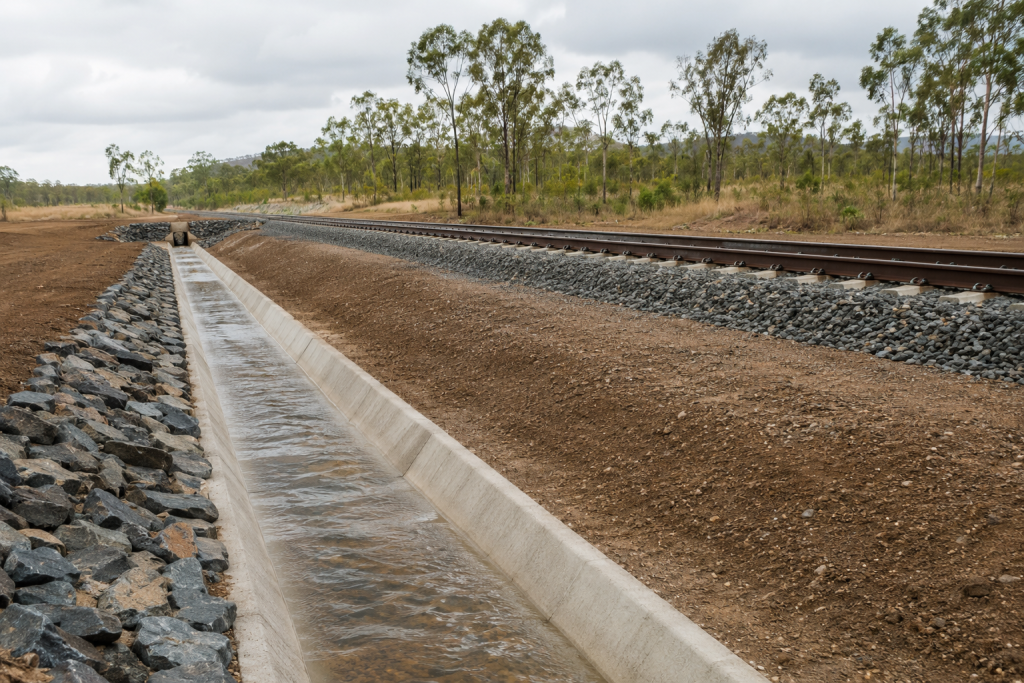
Stormwater infrastructure protects rail corridors, track formation, access roads and surrounding land from uncontrolled runoff. Without effective drainage, water can soften formation materials, contaminate ballast, erode batters, restrict access and increase maintenance requirements. Therefore, effective rail drainage requires more than an isolated civil structure. Project teams must consider catchment flows, corridor geometry, track levels, ground […]
Pit and Pipe Construction for Infrastructure Projects
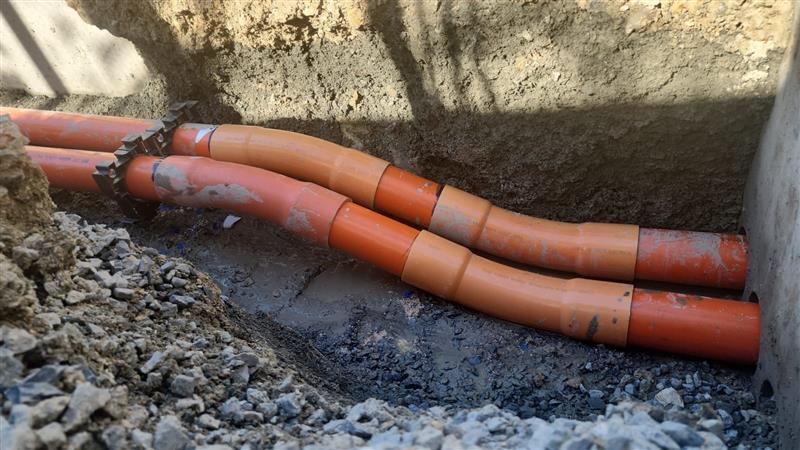
Pit and pipe construction creates the underground pathways and access points that allow power, communications and control services to operate across complex infrastructure sites. Although the finished system is largely out of sight, its quality affects cable protection, maintenance access, drainage, future upgrades and the reliability of the wider asset. For rail, road, port and […]
Why Drainage Is Critical to Railway Performance
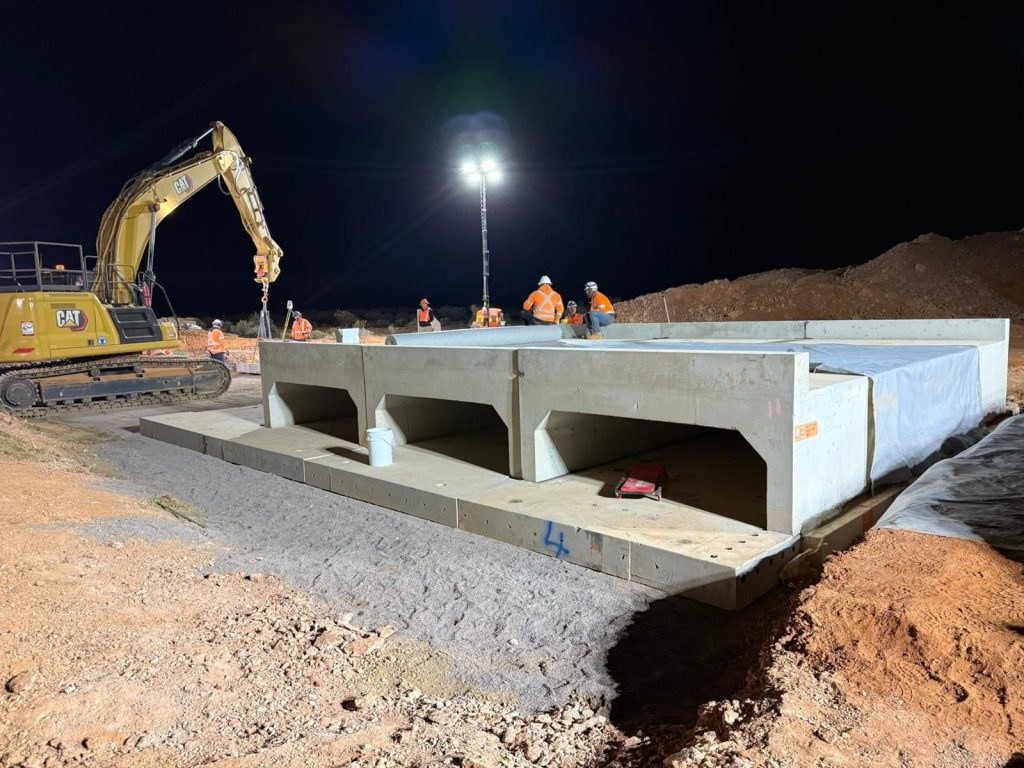
Railway infrastructure is designed to carry significant loads over long periods. However, one of the greatest threats to track performance does not come from the trains above the track. It comes from water below and around it. Effective rail drainage helps protect ballast, formation and subgrade from excessive moisture. In turn, this supports track stability […]
What Happens During a Rail Possession?
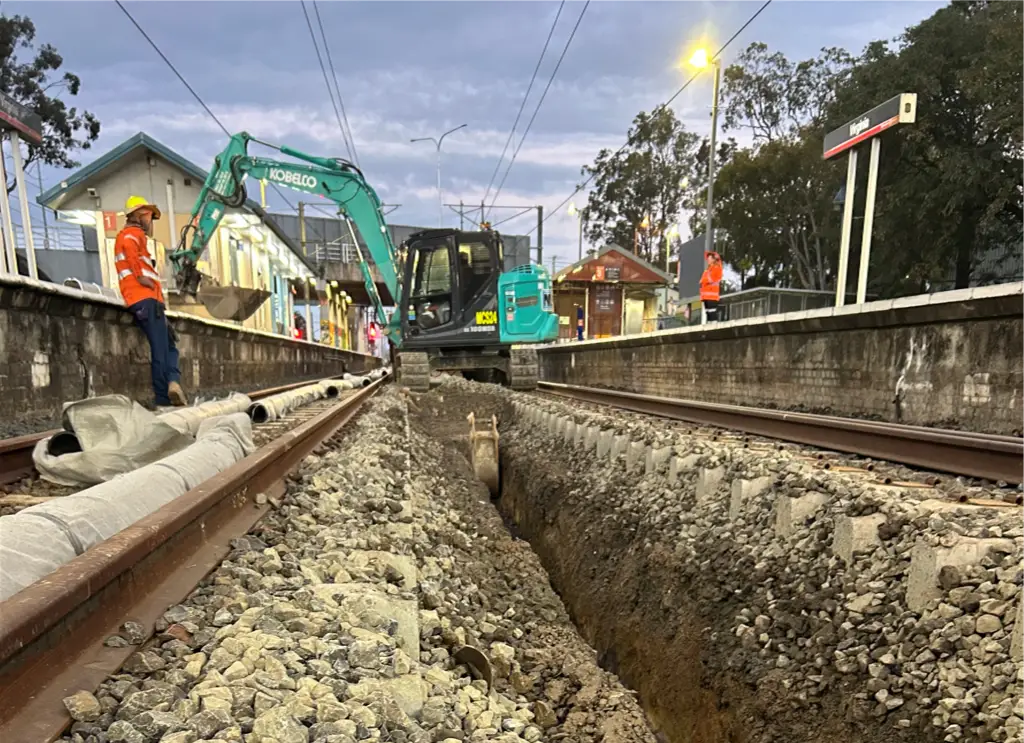
A rail possession gives authorised crews controlled access to a defined section of railway so they can complete essential construction, maintenance and renewal work. For passengers, this work can appear almost invisible: a section of track closes, rail crews complete the required activities and services resume. Behind that process, however, project teams carefully coordinate people, […]
Rail Welding Explained: Why Precision Matters
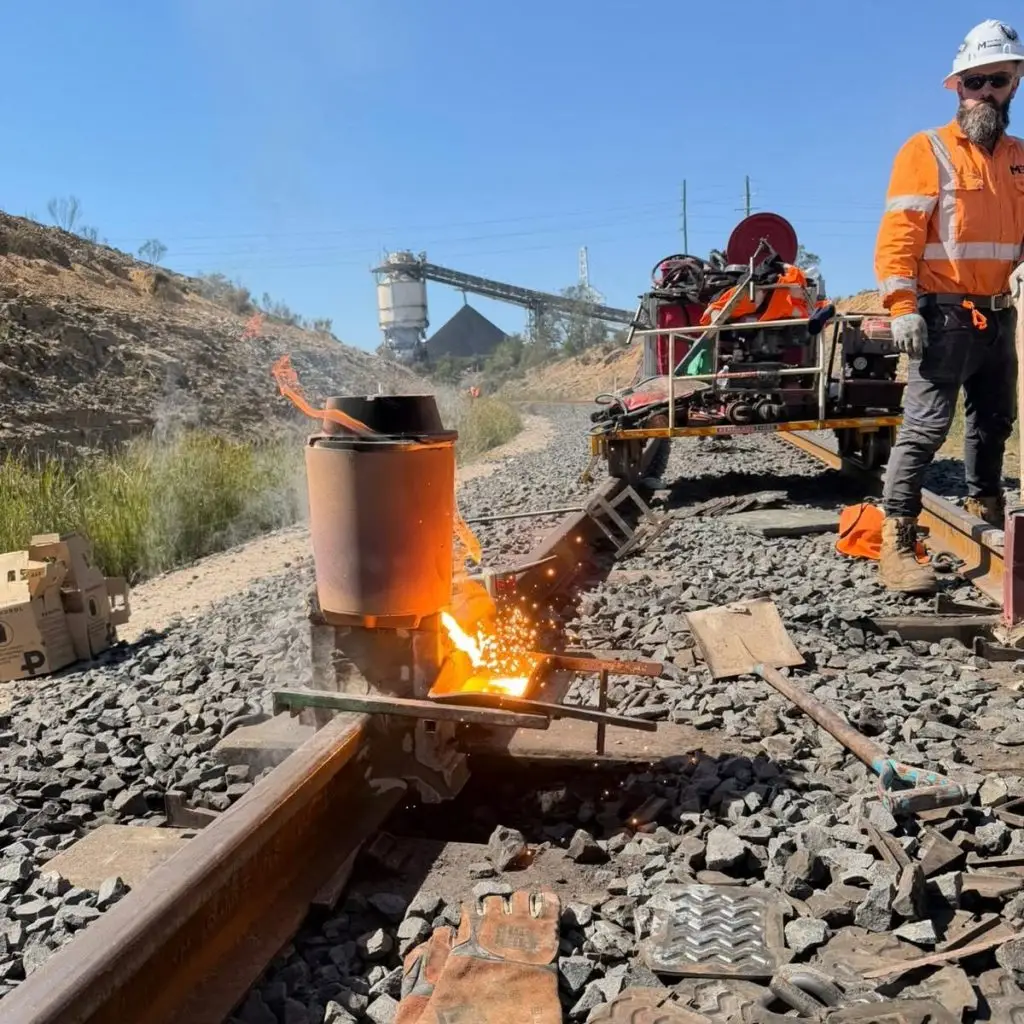
Rail welding plays a critical role in building and maintaining safe, reliable railway infrastructure. Although a completed weld represents only a small section of track, its quality can influence track integrity, ride performance, maintenance requirements and the long-term reliability of the rail asset. For infrastructure owners and project teams, rail welding involves much more than […]
How Geofabric Improves Railway Formation Stability
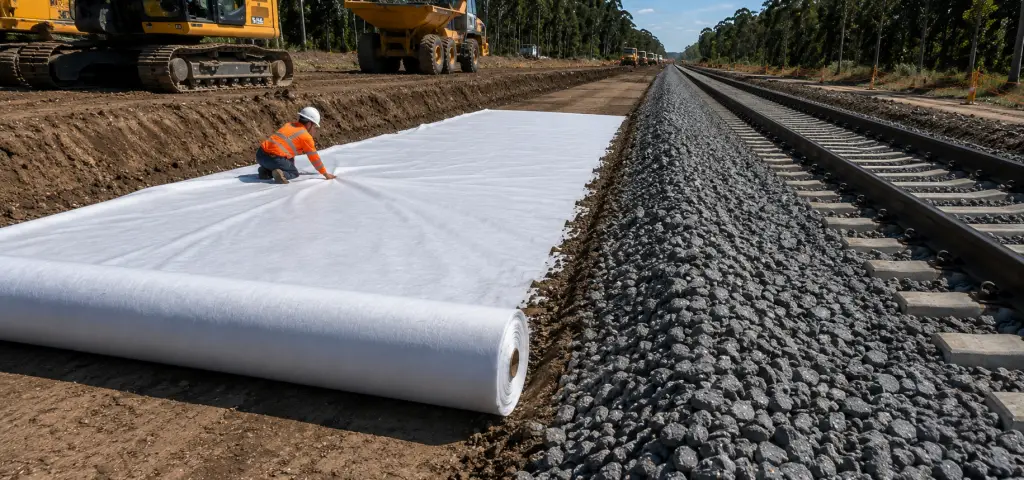
Much of what makes a railway reliable cannot be seen once construction is complete. While rails, sleepers and ballast receive most of the attention, one of the most valuable components of modern railway construction lies hidden beneath the track—the geofabric. Often referred to as geotextile, geofabric is used extensively throughout Australian rail infrastructure projects to […]