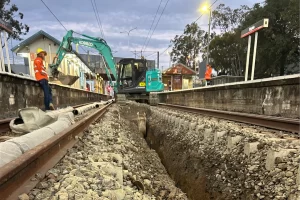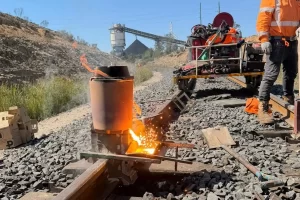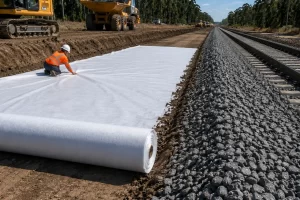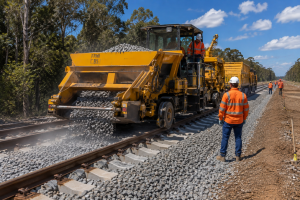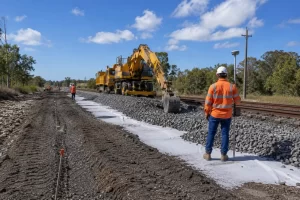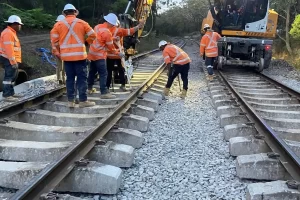
Pit and pipe construction creates the underground pathways and access points that allow power, communications and control services to operate across complex infrastructure sites. Although the finished system is largely out of sight, its quality affects cable protection, maintenance access, drainage, future upgrades and the reliability of the wider asset.
For rail, road, port and industrial projects, successful delivery depends on much more than excavating a trench and installing conduit. The work must align with approved drawings, utility information, site conditions, project specifications and the sequencing of surrounding trades. It also needs clear inspection records before the installation is covered.
This guide explains the main stages of pit and pipe construction, the risks that need to be controlled and the delivery practices that help infrastructure teams achieve a compliant, maintainable result.
What is pit and pipe construction?
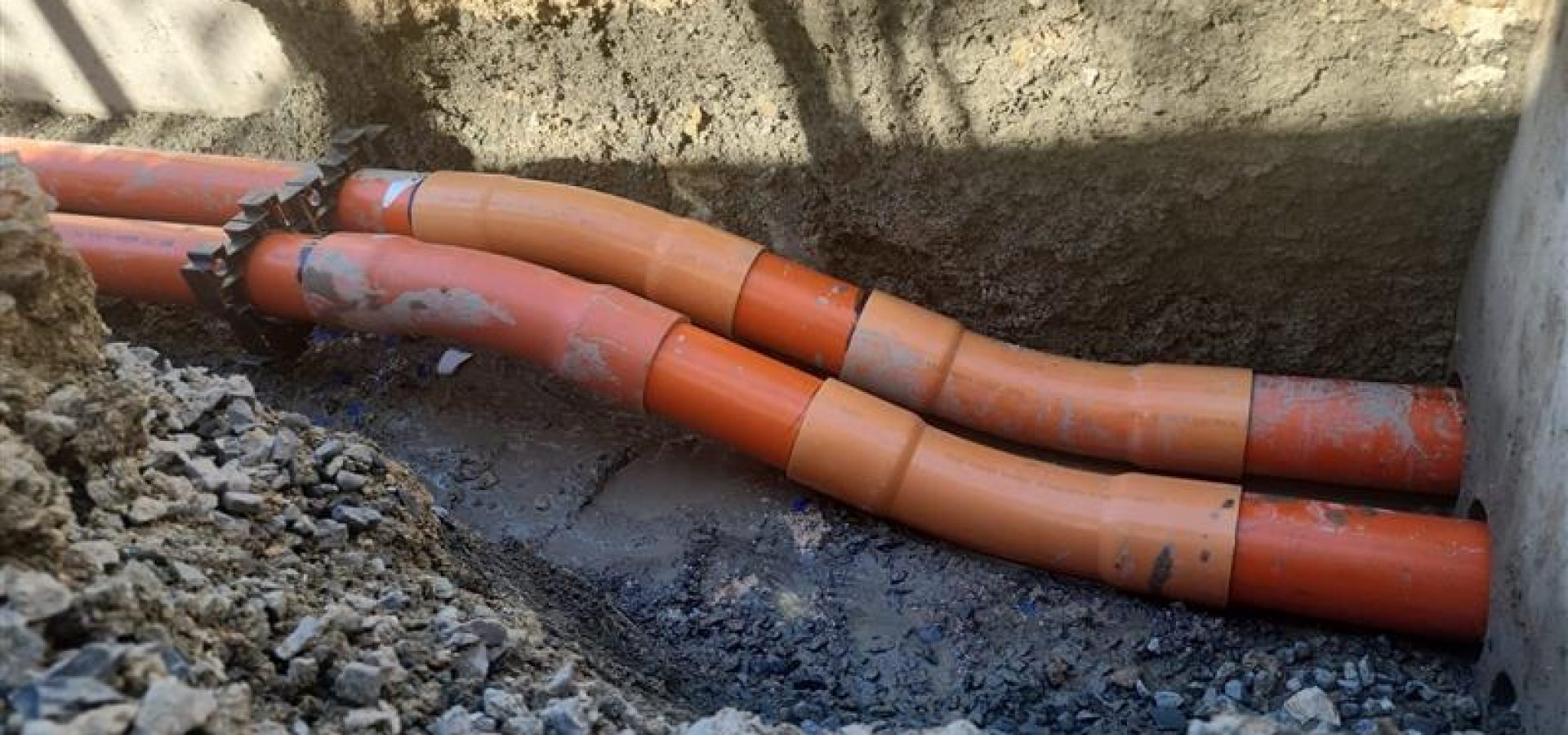
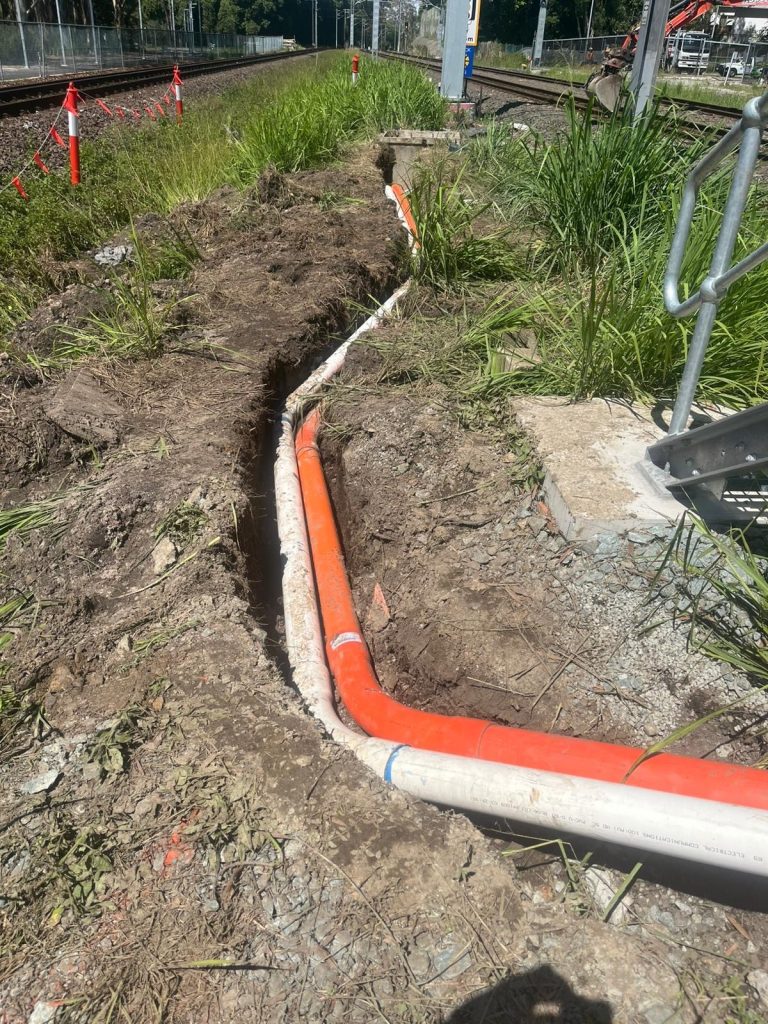
Pit and pipe construction is the installation of underground conduits, ducts and access pits that form a protected route for cables or other nominated services. The pipes provide a continuous pathway, while the pits create accessible points for pulling, joining, inspecting and maintaining the installed services.
The arrangement varies by project. A system may support signalling, communications, intelligent transport systems, electrical reticulation, lighting, security or other approved infrastructure. Pit sizes, conduit types, separation requirements and installation details must therefore come from the project design and applicable specifications rather than a generic site rule.
In practical terms, the scope can include set-out, service proving, excavation, bedding, conduit placement, pit installation, jointing, backfilling, compaction, testing, reinstatement and as-constructed records. Each activity influences the next, so early errors can become expensive once surrounding works progress.
Why pit and pipe systems matter to infrastructure delivery
Underground service routes need to protect infrastructure throughout construction and during the asset’s operating life. Correctly installed conduits reduce exposure to impact, moisture, contamination and uncontrolled movement. Well-positioned pits also give maintenance crews practical access without unnecessary disruption to pavements, trackside areas or operational facilities.
A coordinated system can also preserve future capacity. Spare conduits, draw ropes and accurately recorded routes may simplify later upgrades, provided these features are included in the approved design. By contrast, poor alignment, damaged conduit, blocked entries or water-holding pits can delay cable installation and create defects that are difficult to rectify after backfill.
- Reliable pathways for approved electrical, communications and control services.
- Accessible locations for cable pulling, inspection and maintenance.
- Separation and protection of services in accordance with the design.
- Better coordination with earthworks, drainage, pavement and structural activities.
- Traceable installation evidence for inspection, testing and handover.
Inspect and test the installation
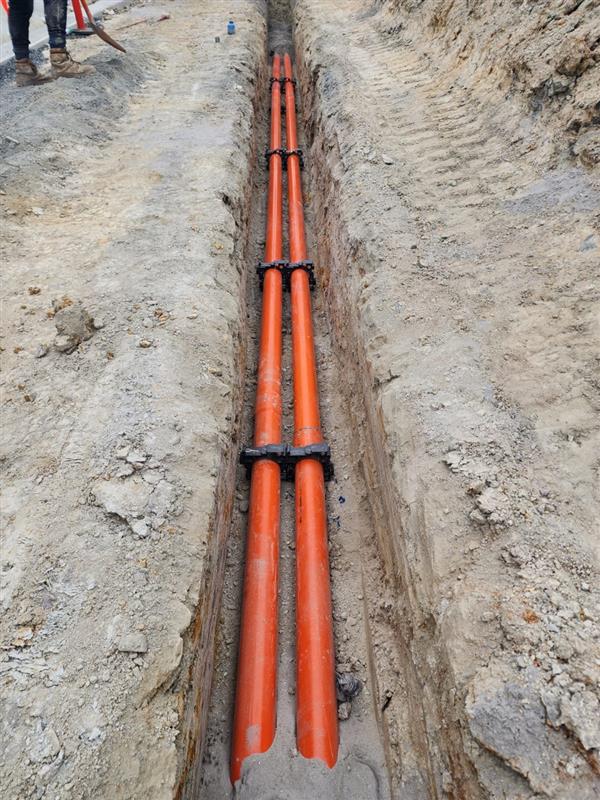
Inspection before backfill is one of the most valuable quality controls in pit and pipe construction. The team can verify conduit arrangement, joints, entries, levels, bedding and material compliance while corrective work is still accessible. Depending on the specification, testing may include proving conduit continuity and clearance with an approved mandrel, confirming draw ropes, checking pit condition and recording photographic evidence.
Backfill, compact and reinstate
Backfill is placed using the specified material and method so conduits and pits are not displaced or damaged. Compaction is completed to the project requirements, with testing where nominated. The surface is then reinstated to the approved condition, whether it is formation, pavement, ballast interface, hardstand, verge or another project finish.
Complete as-constructed records and handover
Final records should capture the installed route, pit identifiers, levels, deviations approved during construction, test results and required inspection evidence. Accurate as-constructed information supports cable installation, future maintenance and safe excavation around the asset. It also gives the principal a clear record that the work has progressed through the required quality process.
Safety controls for excavation and underground services
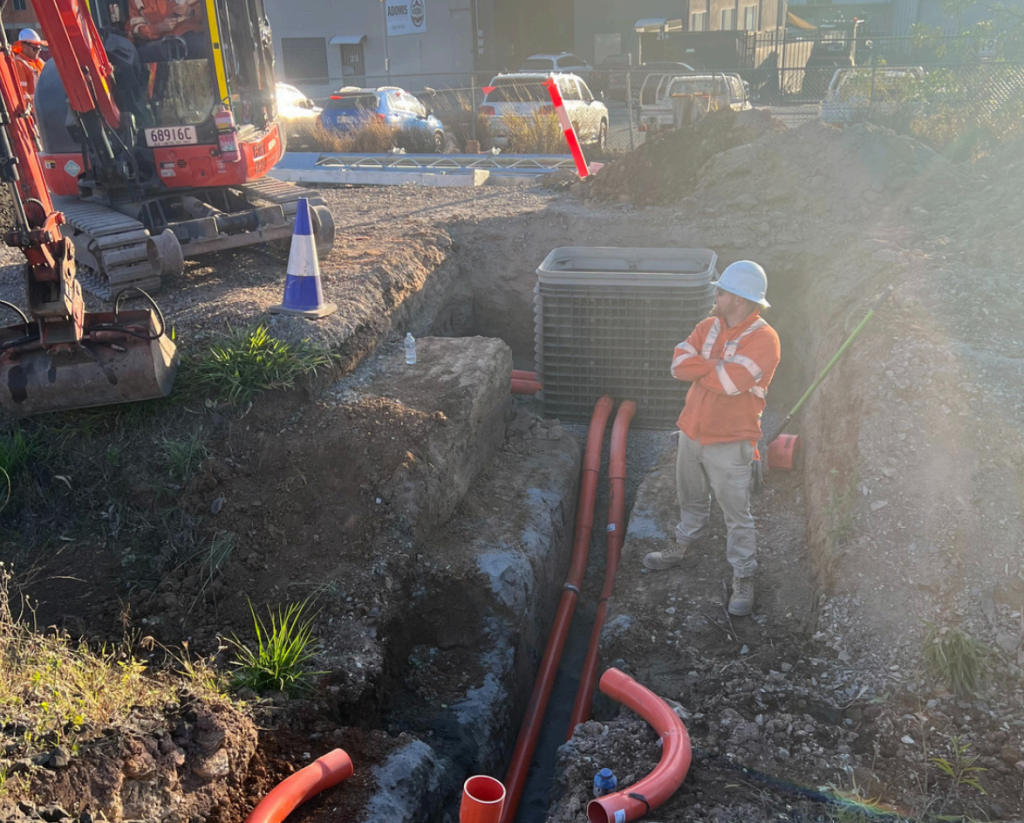
Excavation work is construction work and introduces risks including ground collapse, falls, mobile plant interaction, water ingress and contact with underground services. Safe Work Australia identifies trenches, shafts and tunnels as forms of excavation and notes that duty holders must manage excavation risks under the applicable work health and safety framework.
Controls need to be based on the actual site and the approved work method. They may include service information and proving, barricades, exclusion zones, safe access, ground-support measures, spoil setbacks, plant separation, inspection after changing conditions and emergency response arrangements. High-risk construction work also requires the relevant safe work method statement before work begins.
For live rail, road traffic or operational industrial environments, the excavation plan must also integrate the project-specific access, permit, protection and interface requirements. These controls should be understood by the crew, not treated as paperwork that sits apart from the task.
Quality checks that prevent costly rework
Most hidden-work defects are cheaper to correct before backfilling. A disciplined inspection and test plan gives supervisors, surveyors, installers and the principal’s representative clear points to verify the installation. It also reduces disagreement at handover because the evidence has been collected progressively.
- Materials match the approved product, class, size and project schedule.
- Pit position, orientation, level and cover arrangement match the design.
- Conduit count, spacing, separation, cover and bend geometry are correct.
- Joints and pit entries are secure, clean and sealed as specified.
- Conduits are free of obstruction and contain required draw ropes or plugs.
- Bedding, surround, backfill and compaction comply with the work package.
- Survey, test, inspection and photographic records are complete before handover.
Common pit and pipe construction challenges
Infrastructure sites rarely match drawings perfectly. Unknown services, hard ground, groundwater, restricted access and late design interfaces can affect the planned route. Strong delivery teams identify these issues early, communicate them clearly and obtain an approved response before proceeding.
Another common challenge is trade congestion. Pit and pipe works may compete with drainage, foundations, pavement, track formation and other utilities for the same corridor. A coordinated look-ahead program helps prevent installed work from being damaged or made inaccessible by later activities.
Finally, incomplete records can turn an otherwise acceptable installation into a handover problem. Survey and quality documentation should be built into the work sequence, with responsibility assigned before the trench is closed.
Supporting delivery in rail and civil environments
Matrix Unlimited supports infrastructure delivery teams with integrated labour, plant, operators and supervision across rail, road, port and industrial environments. This model can help principal contractors, alliances and asset operators resource defined work packages, respond to changing site conditions and maintain coordination across field activities.
In live rail, brownfield, shutdown or possession environments, mobilisation and workface planning are especially important. Crews need clear scopes, approved controls, current documentation and practical supervision so productive work can be completed within the available access window.
The required delivery model should always be matched to the project scope. Early discussion about location, program, interfaces, plant, competencies, supervision and handover expectations allows the right resources to be planned without assuming services that are outside the agreed package.
Frequently asked questions
What is the purpose of pits in an underground conduit system?
Pits provide accessible points for cable pulling, inspection, changes in direction, maintenance and future work. Their size, spacing, loading and internal arrangement must suit the approved design and the services using the conduit route.
When should pit and pipe construction be inspected?
Inspection should occur at the hold and witness points nominated in the project documents. Critical checks are generally completed before conduits, joints, bedding and pit entries are covered, because these elements become difficult to verify after backfill.
Can utility plans confirm the exact location of underground services?
No. Before You Dig Australia explains that supplied plans indicate the presence of underground infrastructure but should be used as a guide rather than proof of exact location. The project must follow asset-owner requirements and approved locating and proving methods.
What records are needed at handover?
Requirements vary, but typical records include approved inspections, test results, compaction evidence where specified, material records, photographs and as-constructed survey information. The project inspection and test plan should define the required evidence.
Plan pit and pipe works with the right project support
Reliable pit and pipe construction comes from coordinated planning, safe excavation, accurate installation and evidence-based handover. When these elements are managed together, the underground system is better placed to support cable installation, maintenance and future infrastructure needs.
Matrix Unlimited works with Tier 1 contractors, rail operators, alliances, infrastructure delivery teams and government authorities across Queensland and regional project environments. Talk to the team about the labour, plant, operators and supervision required for your defined rail or civil work package.
Discuss your upcoming infrastructure works with Matrix Unlimited.