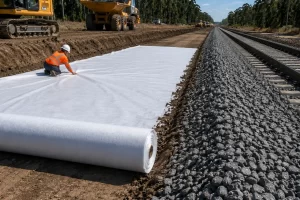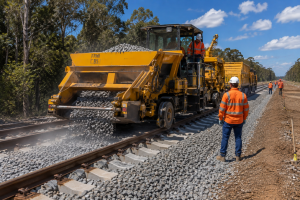
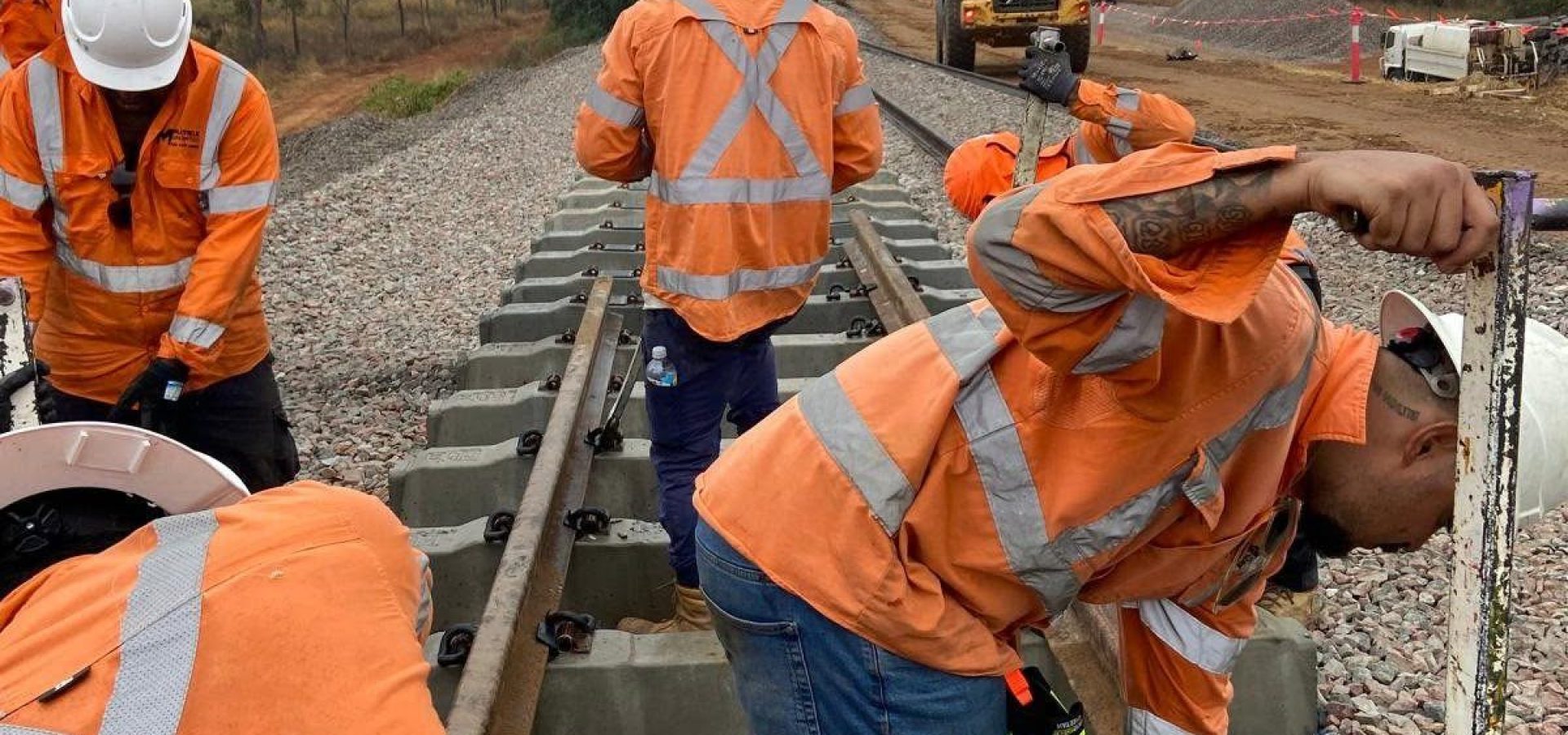
Rail projects operate within demanding safety, scheduling and operational environments. Access windows may be limited, work activities must be carefully coordinated, and every person entering the corridor must be suitable for their assigned role. Effective rail labour hire helps project teams manage these challenges by providing experienced, appropriately qualified personnel when and where they are required.
However, labour hire is not simply about filling vacancies. The right workforce partner can reduce mobilisation delays, support safe work practices, maintain productivity and help projects respond to changing resource requirements.
Why Workforce Availability Is a Project Risk
Rail construction and maintenance programs often require different combinations of personnel at different stages. A project may need track workers during initial establishment, plant operators during formation works, specialist crews during track construction and additional resources during a possession or shutdown.
If the required people are unavailable, project managers may face:
- Delayed mobilisation
- Under-resourced work fronts
- Reduced productivity
- Increased pressure on existing workers
- Missed possession or shutdown targets
- Additional accommodation and travel costs
- Difficulty responding to changes in the program
Workforce shortages can also affect subcontractors, plant utilisation and downstream activities. Therefore, securing suitable personnel before they become critical is an important part of project risk management.
How Rail Labour Hire Supports Safer Project Delivery
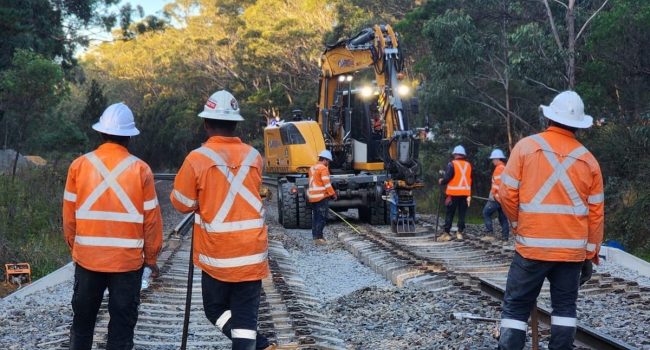
A specialist rail labour hire provider can supply personnel who understand the requirements of working in rail and infrastructure environments. Depending on the project, this may include track workers, Authorised Persons, Protection Officers, machine operators, supervisors, welders and other experienced rail personnel.
Although the principal contractor retains responsibility for managing the project and its worksite risks, a capable labour provider can support that process in several important ways.
Access to Suitably Qualified Personnel
Every role should be matched to the work being performed. This involves more than confirming that a worker holds a general construction qualification.
Rail projects may require evidence of:
- Rail Industry Worker competencies
- Network-specific competencies
- Safeworking qualifications
- Plant or machinery tickets
- Trade qualifications
- Medical fitness
- Construction induction training
- Task-specific experience
Using an experienced provider can make it easier to identify workers whose qualifications and previous experience align with the project requirements. Nevertheless, competencies, inductions and site access requirements must still be verified before mobilisation.
Faster and More Reliable Mobilisation
Short mobilisation periods are common across rail maintenance, construction and shutdown works. Unexpected absences, program changes or additional work fronts can create an immediate need for more personnel.
Established labour providers maintain access to a broader workforce than many individual projects can recruit directly. Consequently, they may be able to locate suitable personnel, confirm availability and coordinate mobilisation more efficiently.
Early communication remains essential. Providing the proposed dates, location, shifts, competencies, duties and expected duration allows the provider to select workers more accurately and reduces the likelihood of last-minute changes.
Reduced Recruitment and Administration Pressure
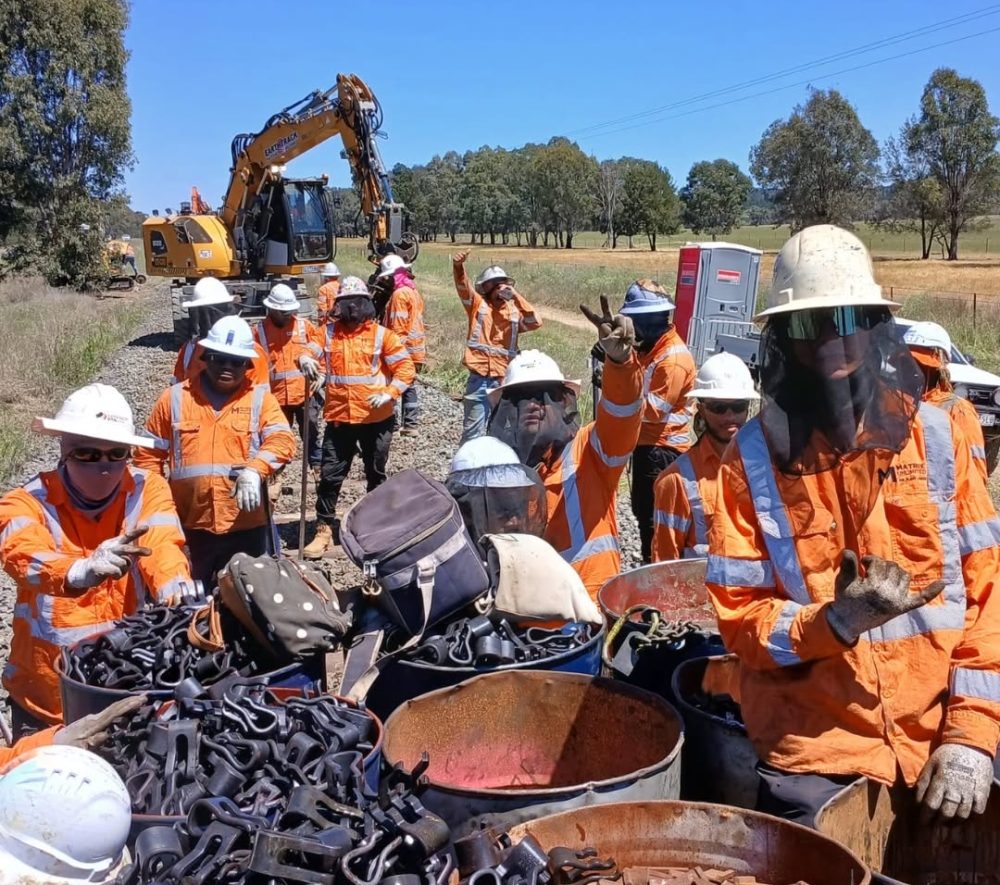
Direct recruitment can require advertising, candidate screening, interviews, reference checking, onboarding and employment administration. When resources are only required for a defined stage of a project, completing this process internally may not be practical.
Rail labour hire allows the project team to focus on delivery while the provider manages much of the workforce administration. Depending on the arrangement, this may include:
- Candidate screening
- Employment documentation
- Payroll administration
- Qualification records
- Availability confirmation
- Mobilisation coordination
- Ongoing worker communication
Clear responsibilities should be agreed before work begins. In particular, the parties should confirm who is responsible for inductions, competency verification, supervision, fatigue controls, personal protective equipment and site-specific training.
Matching Workforce Numbers to the Program
Rail workloads can fluctuate considerably. A project may require a small crew during preliminary works, a larger workforce during a possession and fewer personnel during commissioning or close-out.
A flexible labour model allows workforce numbers to be adjusted as the program changes. This helps avoid the cost and administrative burden of maintaining a large permanent workforce when the demand is temporary.
It can also help project managers respond to:
- Additional work fronts
- Revised construction sequences
- Unplanned maintenance requirements
- Worker absences
- Extended shutdown activities
- Accelerated completion programs
- Changes in project scope
However, workforce changes should still be planned carefully. Constantly rotating personnel can reduce continuity and place additional pressure on supervisors. Therefore, the objective should be to combine flexibility with a stable core crew wherever possible.
Protecting Possession and Shutdown Outcomes
Rail possessions provide limited periods in which defined work must be completed before the infrastructure is returned to service. Delays during these periods can affect the wider project program and potentially disrupt network operations.
Experienced rail personnel can reduce the time required to become familiar with common work methods, communication protocols and site expectations. They are also more likely to understand the importance of workface coordination, exclusion zones, safeworking controls and timely handback.
Before a possession begins, project teams should confirm:
- Required worker numbers and roles
- Competencies and site-access requirements
- Shift start and finish times
- Fatigue-management arrangements
- Transport and accommodation
- Supervisory structure
- Tools, plant and equipment
- Emergency and escalation procedures
- Work sequencing and handback requirements
Rail labour hire is most effective when it forms part of the possession plan rather than being treated as a last-minute procurement activity.
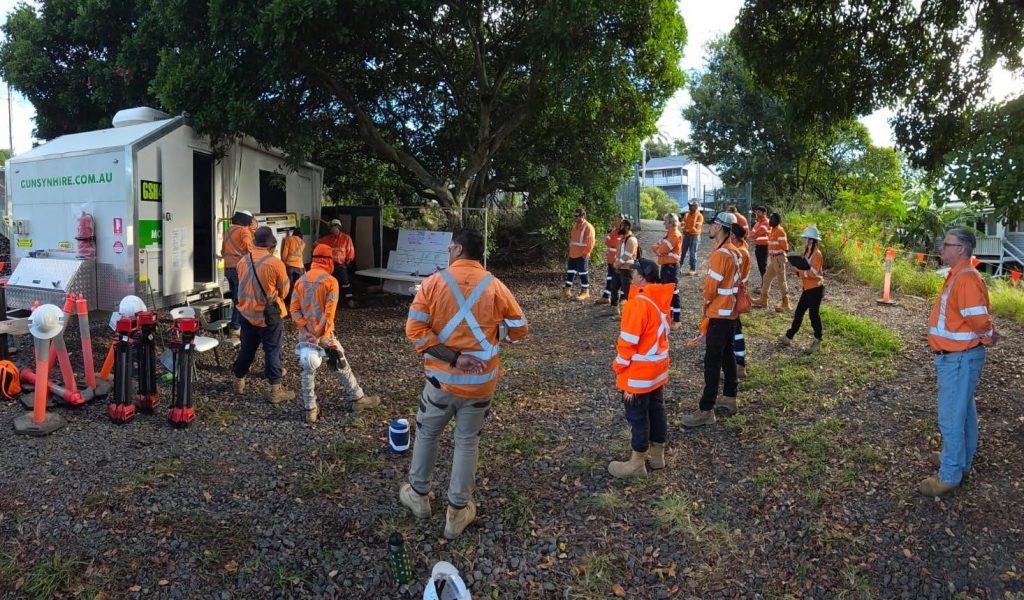
Improving Productivity Through Relevant Experience
A worker may hold the required competency but still lack experience in the particular task or project environment. For this reason, personnel selection should consider both formal qualifications and practical capability.
For example, a rail construction project may benefit from workers who have previous experience in:
- Track construction and renewal
- Sleeper and rail replacement
- Turnout installation
- Ballast placement
- Formation rehabilitation
- Rail welding support
- Drainage and civil works
- Possession and shutdown activities
- Operating plant within rail corridors
Workers with relevant experience can generally integrate into established crews more effectively. In addition, they may require less task familiarisation and can contribute practical knowledge to workface planning.
Regional Labour Can Reduce Mobilisation Risk
Regional and remote projects can face additional workforce challenges. Long-distance travel, accommodation availability and living-away-from-home arrangements may increase costs and complicate mobilisation.
Where suitable personnel are available closer to the worksite, regional labour can help reduce travel requirements and improve workforce reliability. It may also allow a project to respond more quickly when additional resources are required.
Matrix Unlimited maintains access to rail and civil personnel across Queensland and New South Wales, supporting both metropolitan and regional projects. This regional capability helps clients source individual specialists or coordinated crews for planned works, maintenance programs and project-specific requirements.
Learn more about Matrix Unlimited’s rail labour hire services.
Communication Remains Essential
Even highly experienced workers require clear direction. Before mobilisation, the labour provider and project team should agree on the scope, duties, reporting lines and performance expectations for each role.
Once work begins, regular communication helps identify issues before they affect the program. Useful topics include:
- Worker performance and attendance
- Changes to shift requirements
- Emerging competency needs
- Upcoming workforce increases or reductions
- Safety observations
- Fatigue and wellbeing
- Site access or logistical issues
This collaborative approach makes it easier to maintain a safe, stable and productive workforce throughout the project.
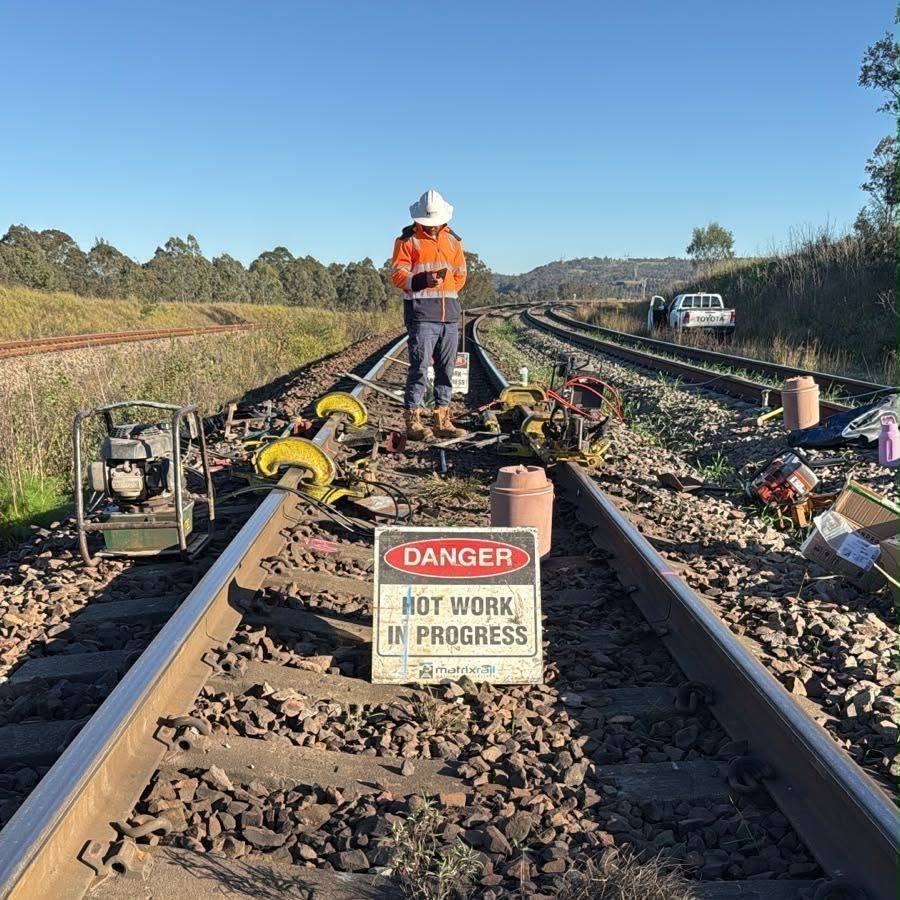
Choosing a Rail Labour Hire Provider
The lowest hourly rate does not necessarily represent the lowest overall project cost. An unsuitable worker, incomplete mobilisation record or late replacement can create delays that significantly outweigh the initial saving.
When assessing a provider, project teams should consider:
- Rail industry experience
- Labour hire licensing
- Workforce availability
- Competency-verification processes
- Regional mobilisation capability
- Responsiveness to changing requirements
- Safety and compliance systems
- Quality of communication
- Ability to supply specialist and general rail personnel
- Previous performance on comparable projects
The provider should also be transparent about worker availability and capability. If a requested competency or level of experience cannot be supplied, that limitation should be communicated early.
Frequently Asked Questions
What types of rail labour can Matrix Unlimited supply?
Matrix Unlimited can provide experienced rail and civil personnel for construction, maintenance, shutdown and infrastructure programs. Available roles may include Authorised Persons, track workers, machine operators, supervisors, welding personnel and other project-specific resources, subject to availability and competency requirements.
Can rail labour hire be used for short-term projects?
Yes. Personnel can be supplied for short duration works, possessions, shutdowns, temporary resource shortages and defined project stages. Longer-term placements can also support maintenance programs and major infrastructure projects.
Does using labour hire remove the principal contractor’s safety responsibilities?
No. The principal contractor and relevant duty holders retain their applicable legal and site-management responsibilities. The provider and project team should clearly define responsibilities for inductions, supervision, competency verification, fatigue management and task-specific controls.
How early should labour requirements be confirmed?
As early as practical. Advance notice provides more opportunity to identify suitable workers, verify competencies and coordinate travel, accommodation and site access. However, established providers may also be able to assist with urgent or changing requirements.
Can Matrix supply both labour and plant?
Yes. Matrix Unlimited provides rail plant hire alongside labour, rail welding and civil infrastructure services. Combining compatible services can simplify coordination and reduce the number of separate suppliers involved in a project.
Reliable Rail Labour Hire Starts With Early Planning
Effective rail labour hire helps projects access the right personnel, scale workforce numbers and respond to changing delivery requirements. More importantly, an experienced provider can support safer mobilisation, stronger workforce continuity and improved productivity.
Matrix Unlimited supplies experienced rail and civil personnel for projects across Queensland, New South Wales and other Australian locations. Whether you require an individual specialist, additional shutdown personnel or a complete project crew, our team can develop a workforce solution matched to your program.
Contact Matrix Unlimited to discuss the labour requirements for your next rail or infrastructure project.