When a project needs an excavator, choosing the right machine is only part of the decision. You also need to decide how you will hire it. For many rail, civil and infrastructure projects, the choice comes down to wet hire or dry hire.
A wet hire excavator comes with a qualified operator, while dry hire generally provides the machine only. Although that sounds like a simple distinction, the right hire model can affect productivity, safety, supervision, project costs and your ability to respond when site conditions change.
For contractors delivering rail and civil works, the cheapest hourly hire rate does not always produce the lowest overall project cost. Operator experience, machine utilisation and site requirements all play a role.
So, which option suits your project? This guide explains the differences and the factors worth considering before you make that decision.
What Is Wet Hire?
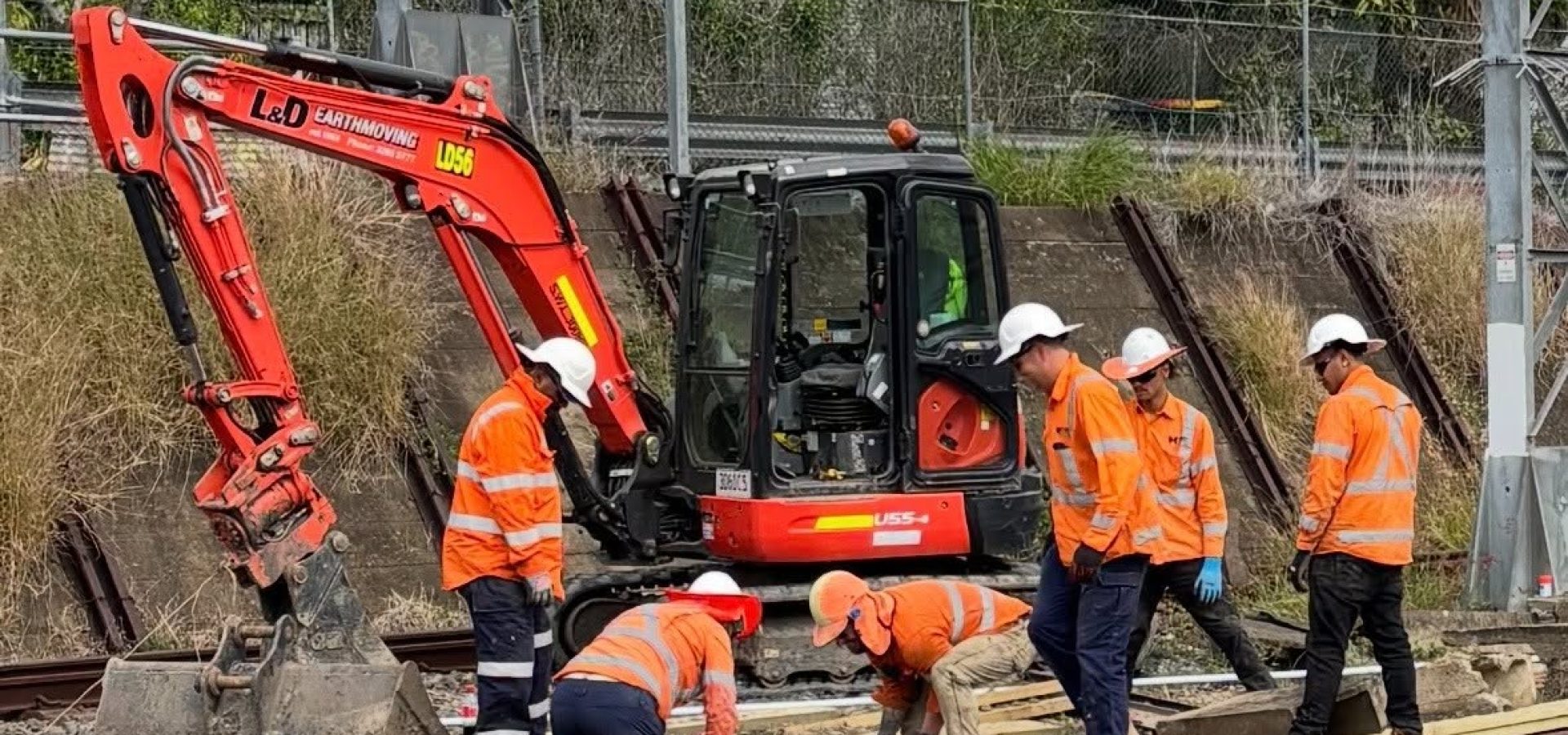
Wet hire means hiring plant or equipment together with an operator. Therefore, when you arrange a wet hire excavator, the supplier provides both the excavator and a suitable operator for the agreed works.
This approach can remove a significant amount of coordination from the contractor’s workload. Instead of sourcing a machine and then finding an available operator, the project receives a combined plant-and-operator solution.
Importantly, wet hire can also provide access to operators who regularly work with the supplied equipment. Familiarity with machine controls, attachments and operating characteristics can help crews work efficiently from the beginning of the job.
Wet hire can suit short-duration projects, specialised works, shutdowns and projects where the contractor does not have suitable operators available internally. It can also support projects that need additional resources quickly.
What Is Dry Hire?
Dry hire provides the equipment without an operator. The contractor takes responsibility for supplying a suitably qualified and competent person to operate the machine.
For companies with experienced operators already on staff, dry hire can offer flexibility. It allows the contractor to integrate hired equipment into its existing workforce and manage daily operations directly.
However, dry hire also transfers more responsibility to the hiring company. The contractor needs to consider operator competency, mobilisation, supervision and the suitability of the machine for the work.
There is another practical consideration. An operator may hold the necessary competencies but have limited experience with a particular excavator, attachment or working environment. Consequently, productivity during the first stages of the job may differ from that of an operator who regularly uses the machine.
For longer-term projects with established crews, this may not present a significant issue. For short or specialised works, however, the difference can matter.
When Does Wet Hire Make Sense?
A wet hire excavator can make good commercial sense when a project needs additional capability without adding another operator to the workforce.
For example, a contractor may secure a short-duration package that requires an excavator for several days. Hiring another employee would make little sense, while transferring an operator from another project could disrupt existing work. Wet hire provides another option.
The same principle applies when project workloads increase unexpectedly. Contractors can bring additional plant and operators onto site without permanently increasing their workforce.
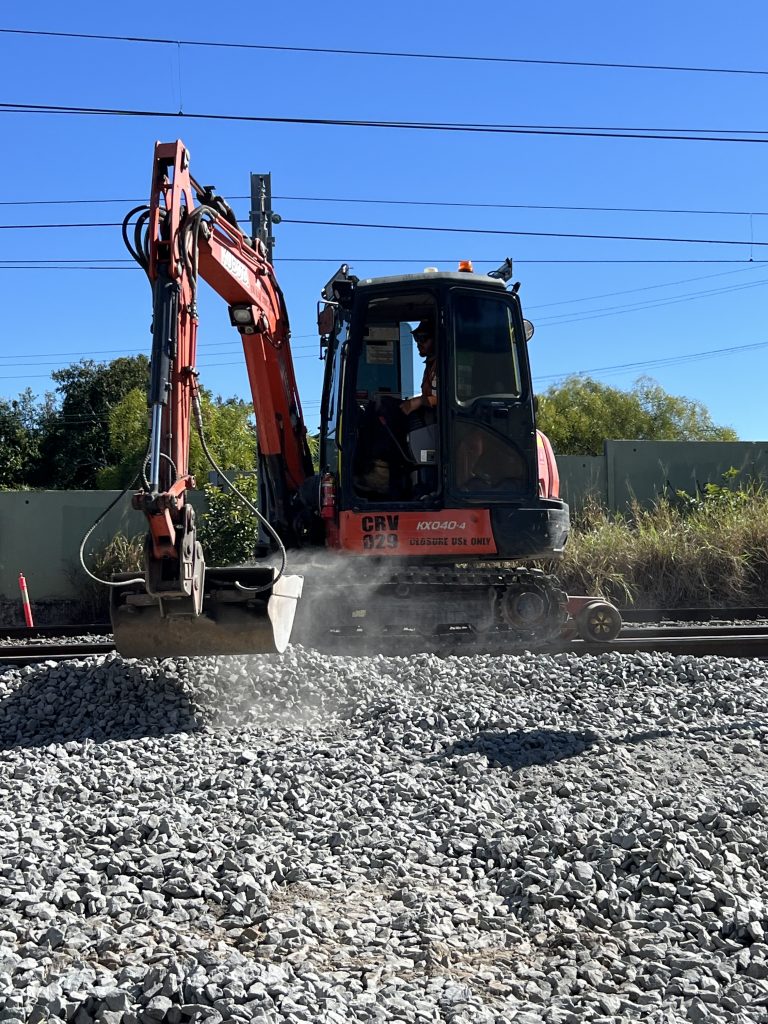
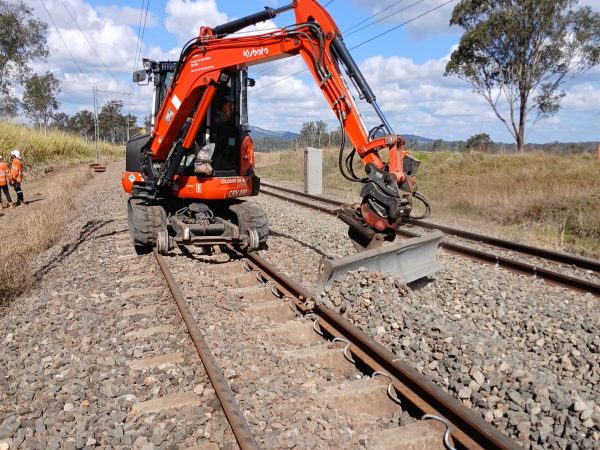
Wet hire can also help when specialised plant is required. Rail-capable equipment provides a good example. A contractor may need a hi-rail excavator for a particular work package but may not have an operator with suitable rail experience available.
In these circumstances, sourcing the machine and an experienced operator together can simplify mobilisation.
Wet Hire for Rail Infrastructure Projects
Rail environments introduce additional considerations when selecting plant and operators.
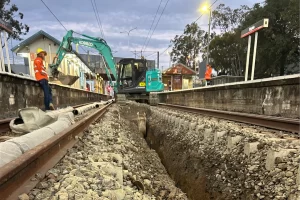
Depending on the project, excavation may take place near track infrastructure, signalling equipment, services, drainage systems or operating rail corridors. Access can also be restricted by possessions and scheduled work windows.
Therefore, contractors often need to complete a significant amount of work within a limited period.
A wet hire excavator operated by someone with relevant rail experience can provide an advantage in these conditions. The operator already understands the importance of working within site controls and coordinating with the wider rail team.
For specialised rail plant, familiarity with the equipment becomes even more important. Hi-rail excavators, for example, combine conventional excavation capability with equipment designed for rail access and operation.
Matrix Unlimited supports rail infrastructure projects with plant, operators and experienced rail personnel across a range of maintenance and construction activities.
Wet Hire vs Dry Hire: What's the Difference?
The fundamental difference is straightforward: wet hire includes an operator; dry hire does not.
The practical differences extend much further.
Consideration | Wet Hire | Dry Hire |
Plant supplied | Yes | Yes |
Operator supplied | Yes | No |
Operator sourcing | Supplier | Contractor |
Equipment familiarity | Typically high | Depends on operator |
Workforce flexibility | High | Requires internal resources |
Mobilisation | Often simpler | More coordination required |
Direct operator management | Less required | Greater |
Suitable for specialised work | Often | Depends on available skills |
Neither option is automatically better. Instead, contractors should consider how each arrangement fits the project.
Why Operator Experience Matters
An excavator’s capability depends heavily on the person operating it.
Experienced operators understand how to position the machine, select suitable attachments and complete repetitive tasks efficiently. They can also communicate effectively with supervisors, spotters and ground crews.
This becomes particularly important in constrained environments.
Rail corridors, drainage works, service installations and existing infrastructure often leave little room for unnecessary movement. Operators may need to work around underground services, structures, live infrastructure or other plant.
Good operators continually assess their surroundings and adjust their approach as conditions change. As a result, operator capability can influence both productivity and the way work progresses across the site.
That is one reason contractors should look beyond the machine hire rate when comparing wet and dry hire.
Wet Hire for Civil Construction
Wet hire also has practical applications across civil construction.
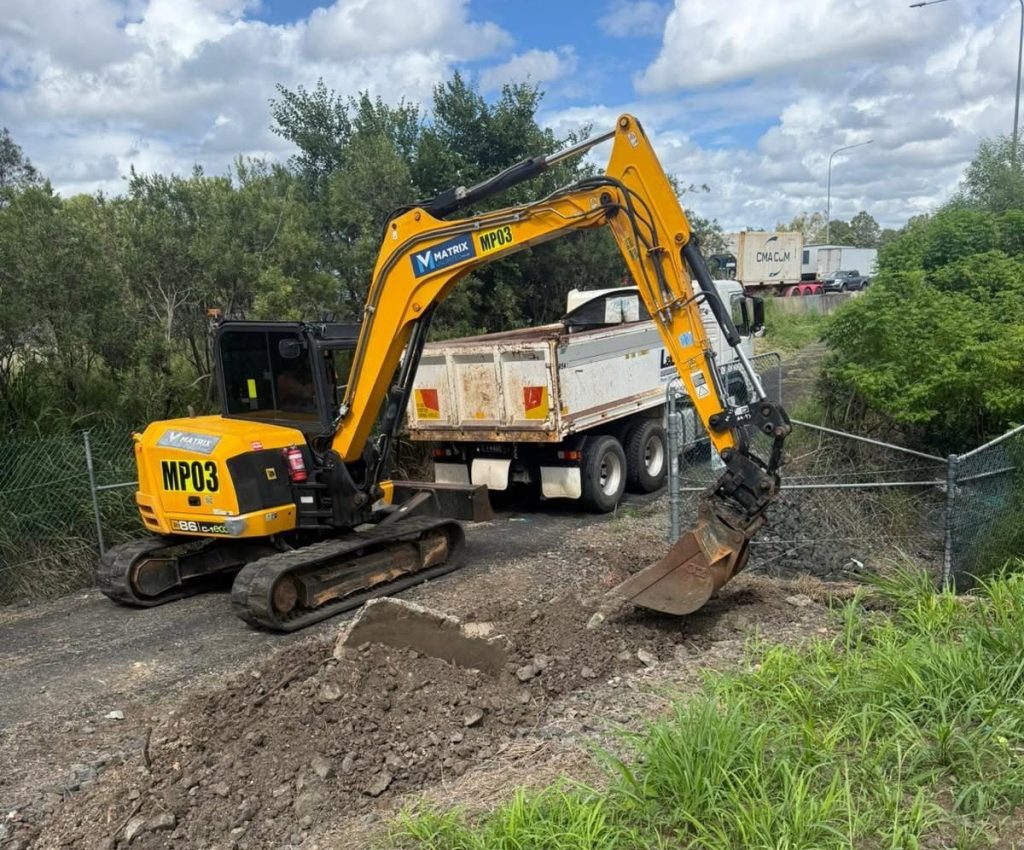
Excavators perform a wide range of tasks, including trenching, drainage construction, service installation, bulk excavation, loading, site preparation and material handling. However, each task requires a different operating approach.
An experienced operator can adapt the machine to suit changing ground conditions and project requirements. Furthermore, using the right attachment can improve productivity without bringing another machine onto site.
For contractors managing multiple work fronts, wet hire can provide additional capacity where it is needed most. The project team can allocate resources to another part of the job while the wet hire operator completes the assigned excavation works.
This flexibility can become particularly valuable when programs change or additional work emerges.
When Is Dry Hire the Better Choice?
Despite the advantages of wet hire, dry hire remains an effective option in the right circumstances.
A contractor with experienced operators, established supervision and long-term plant requirements may prefer to hire the machine separately. This arrangement gives the contractor direct control over how and when the equipment operates.
Dry hire can also work well when the machine will remain on one project for an extended period. Over longer hire periods, contractors may achieve lower equipment rates and spread mobilisation costs across more operating hours.
However, contractors should consider the full cost rather than comparing hire rates alone.
The true cost of dry hire can include operator wages, allowances, accommodation, travel, training and supervision. Machine downtime also becomes important if the contractor cannot provide an operator when required.
Therefore, dry hire usually works best when the business already has the people and systems needed to support it.
Comparing the Real Project Cost
A lower hourly rate does not necessarily mean a lower project cost.
Consider two excavators completing the same task. One costs less per hour but operates less efficiently. The other costs more per hour but completes the work significantly faster.
The second machine-and-operator combination may ultimately cost less.
Contractors should therefore consider total production cost, not simply the plant hire rate.
Production depends on several factors, including machine size, attachment selection, operator experience, site access and ground conditions. Coordination with other crews also affects output.
For example, an excavator waiting for trucks, materials or access still costs money. Likewise, other crews may lose productive time if excavation falls behind schedule.
When comparing wet and dry hire, ask a more useful question: What will it cost to complete the work?
That question provides a much better basis for commercial decisions.
Choosing the Right Excavator
Whether you choose wet or dry hire, machine selection remains important.
A larger excavator does not automatically deliver better productivity. In restricted environments, a smaller machine may move more efficiently and require less working space. Conversely, heavy excavation may demand additional digging capacity and lifting capability.
Contractors should consider excavation depth, material type, access constraints, lifting requirements, attachments and transport before selecting equipment.
The surrounding work environment matters as well. Rail corridors and existing infrastructure can restrict machine movement, while soft ground may influence equipment selection and operating methods.
Discussing these factors with the plant supplier before mobilisation can help avoid bringing unsuitable equipment to site.
Attachments Can Change What an Excavator Can Do
Modern excavators can perform far more than conventional digging.
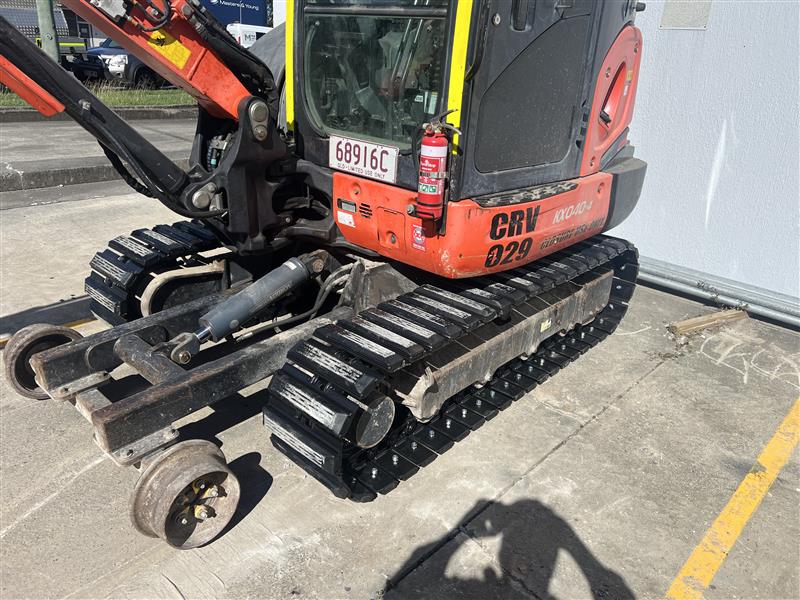
Depending on the machine and project, attachments may include buckets, hydraulic hammers, grabs, augers, compaction equipment, vegetation attachments and other specialised tools.
Consequently, one excavator can potentially complete several stages of work.
For example, a machine may excavate a trench, handle materials and assist with backfilling without leaving the work area. Changing attachments can reduce the need to mobilise additional plant.
However, attachments must suit both the machine and the task. Operators also need experience using them effectively.
This is another area where wet hire can provide value. A supplier can match the machine, attachment and operator to the intended work rather than supplying equipment in isolation.
Safety and Project Planning
Safe plant operation starts well before the excavator begins work.
Project teams need to identify site hazards, access requirements, underground and overhead services, exclusion zones and interaction with other workers or equipment. Rail projects can introduce additional controls depending on the location and operating environment.
Clear communication also remains essential.
Operators, supervisors and ground crews need to understand the planned work and their individual responsibilities. Conditions can change quickly, particularly during excavation, so teams must continue assessing risks as work progresses.
Wet hire does not remove the contractor’s broader site responsibilities. However, providing an experienced operator with the machine can reduce one of the variables that the project team needs to manage.
Wet Hire or Dry Hire – Which Should You Choose?
The best choice depends on your resources, project duration and the type of work involved.
Dry hire can work well when you already have experienced operators and need equipment for an extended period. It gives your team direct control and can offer competitive long-term plant rates.
Wet hire becomes particularly attractive when you need additional capability, specialised equipment or an experienced operator without increasing your permanent workforce.
For rail and civil contractors, flexibility often carries considerable value. Projects change, programs move and additional work can appear with little notice. Having access to plant and operators together can help project teams respond quickly.
Ultimately, compare the total cost, productivity and project risk rather than choosing solely on the hourly rate.
Wet Hire Excavator and Plant Support from Matrix Unlimited
Matrix Unlimited provides plant and operator support for rail, civil and infrastructure projects across Queensland and New South Wales.
Our capabilities include excavators and specialised plant suitable for a range of construction, maintenance and infrastructure activities. We can also support projects with experienced personnel who understand the practical requirements of working within active project environments.
Whether you need additional plant for a short work package, support during a shutdown or ongoing resources for a larger project, Matrix can tailor the solution around the work.
Planning an upcoming rail or civil project? Contact Matrix Unlimited to discuss wet hire excavator availability, plant requirements and operator support.