Across Australia’s rail networks, infrastructure is continually subjected to heavy axle loads, environmental conditions, increasing traffic demands and decades of operational wear. While routine maintenance plays an important role in keeping networks operational, there comes a point where maintenance alone is no longer the most effective solution.
This is where railway track renewal becomes essential.
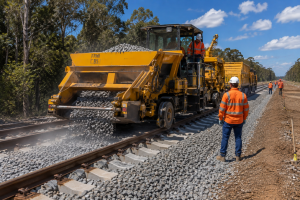
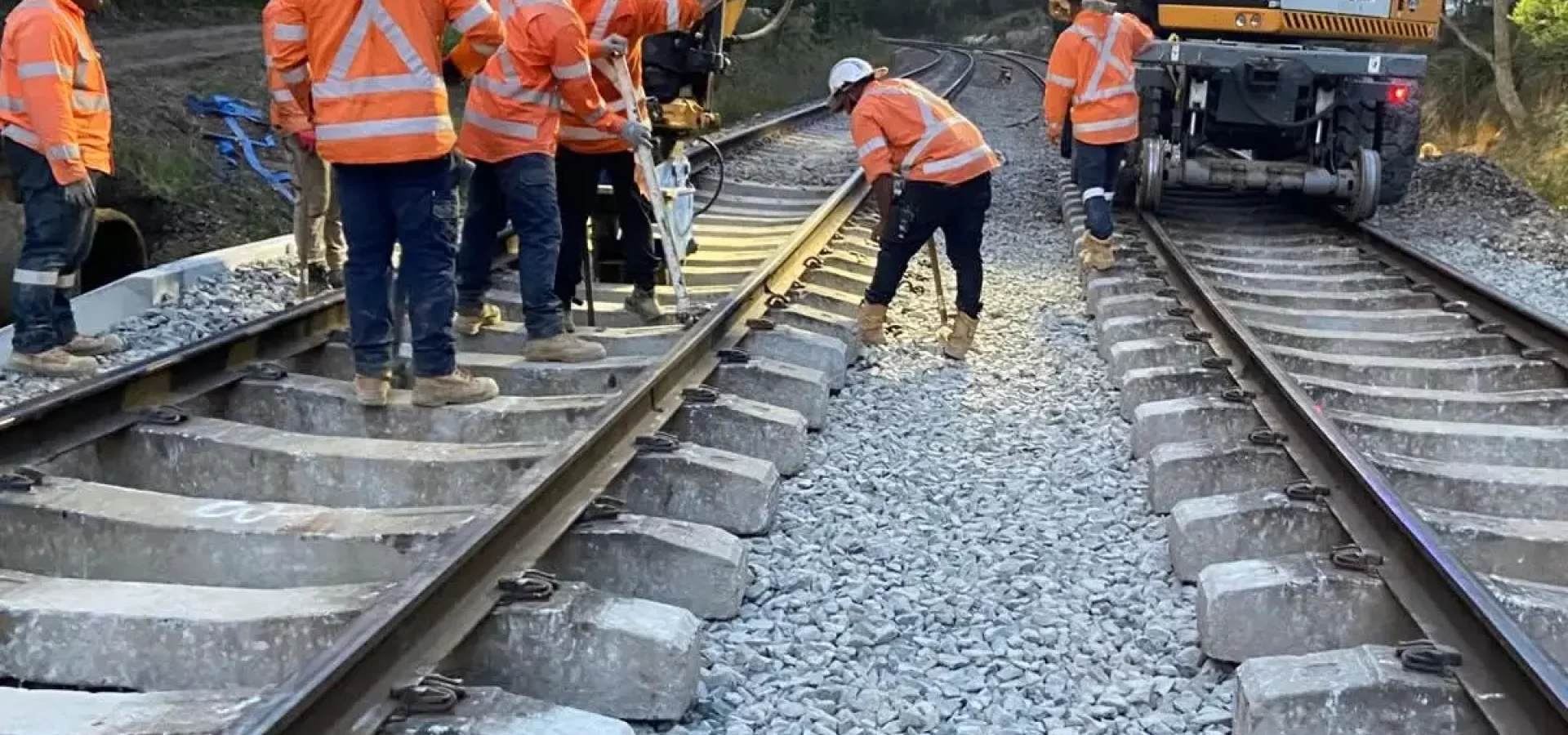
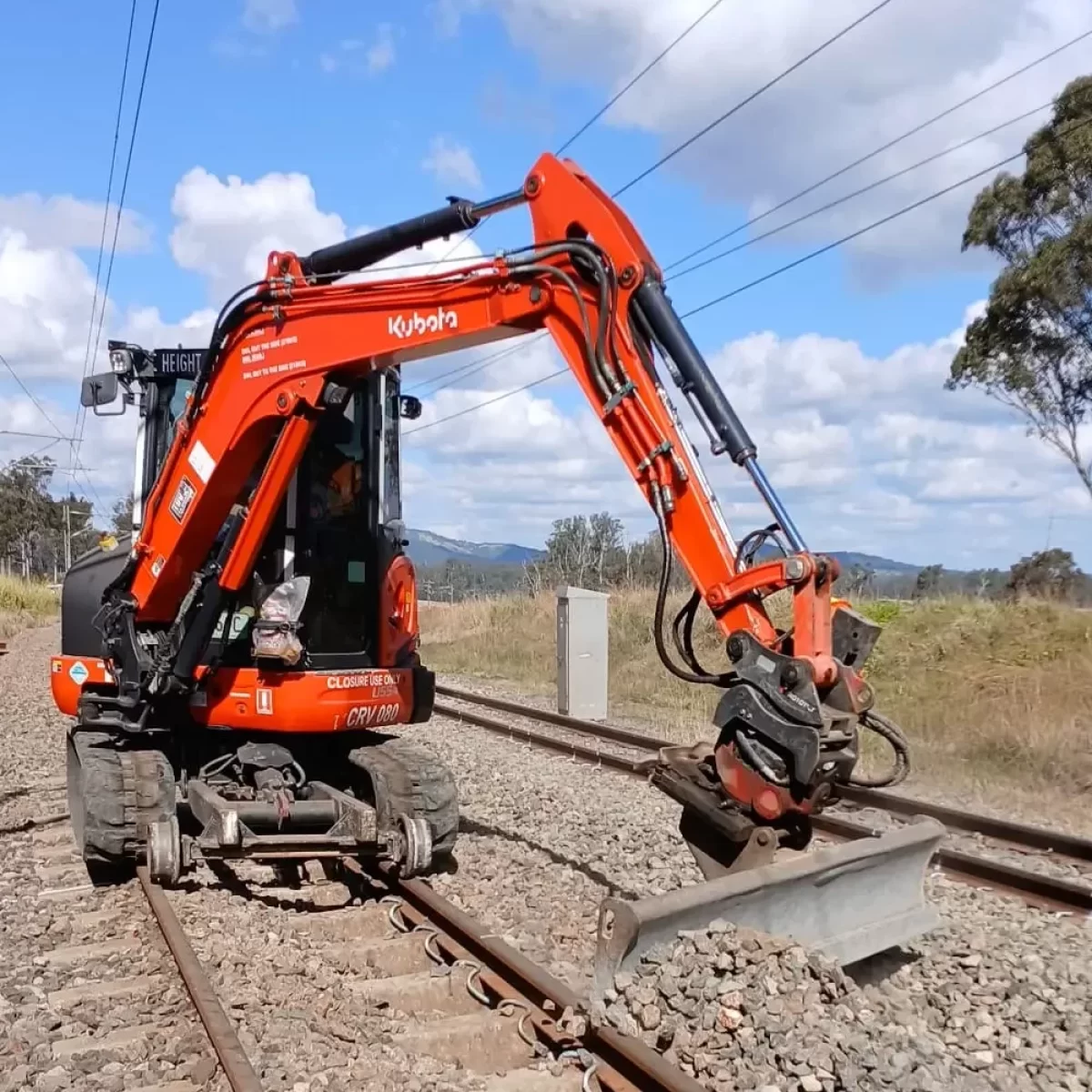
Track renewal is far more than replacing worn rail. It is a planned process of restoring the track structure to improve safety, reliability, ride quality and long-term asset performance. Depending on the condition of the asset, renewal works may involve replacing rails, sleepers, ballast, formation layers, drainage infrastructure and associated civil components to return the track to the required operational standard.
When delivered correctly, track renewal extends asset life, reduces maintenance costs and provides greater confidence in the network’s long-term performance.
Looking Beyond the Rail
One of the most common misconceptions is that track renewal is simply about installing new rail.
In reality, the rail itself is only one component of a much larger system.
A successful renewal considers the condition and performance of every layer supporting the track, including:
- Formation
- Subgrade
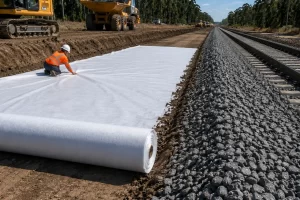
- Geofabric and separation layers
- Ballast
- Sleepers
- Rail
- Drainage
- Earthworks
- Civil structures
If any of these components are compromised, replacing the rail alone is unlikely to deliver the desired long-term outcome.
This integrated approach is becoming increasingly important as infrastructure owners seek greater whole-of-life value from capital renewal programs.
When Is Track Renewal Required?
There is no single trigger for renewal.
Asset owners typically assess a combination of factors, including:
- Rail wear
- Sleeper deterioration
- Ballast fouling
- Formation instability
- Drainage failures
- Geometry defects
- Increasing maintenance intervention
- Reduced ride quality
- Operational restrictions
- Asset life modelling
Rather than reacting to failures, many organisations now use condition monitoring and asset management strategies to identify the optimal renewal window before defects significantly impact operations.
Why Formation Rehabilitation Is Often the Most Important Part
One of the least visible – but arguably most important – elements of a successful track renewal is formation rehabilitation.
The formation provides the structural platform supporting the entire track system.
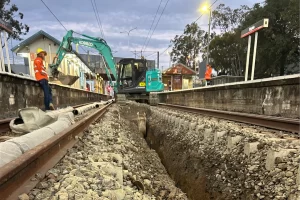
If the formation has been weakened through moisture ingress, poor drainage, contamination or long-term loading, simply replacing sleepers and ballast may provide only a temporary improvement.
Effective formation rehabilitation can include:
- excavation of unsuitable material
- stabilisation
- capping improvements
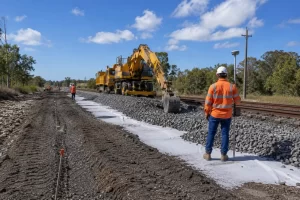
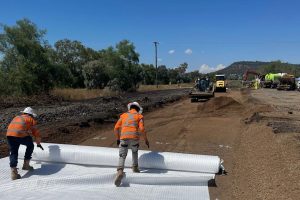
- geofabric installation
- drainage upgrades
- compaction
- quality testing
Investing in the foundation of the asset often delivers significantly greater long-term performance than focusing solely on the track components above it.
The Importance of Drainage
Drainage is frequently underestimated during rail renewal planning.
Water remains one of the greatest contributors to track deterioration.
Poor drainage can lead to:
- ballast contamination
- pumping
- formation instability
- geometry defects
- increased maintenance requirements
- accelerated asset deterioration
For this reason, renewal programs increasingly incorporate drainage improvements alongside track replacement works to address the root cause of recurring defects rather than simply treating the symptoms.
Planning Is Just as Important as Construction
Successful renewals begin long before the first excavator arrives on site.
Careful planning is critical to achieving safe, efficient possession delivery while minimising operational impacts.
Planning typically includes:
- possession planning
- work sequencing
- logistics
- material supply
- access management
- plant allocation
- labour planning
- quality assurance
- environmental controls
- risk management
Well-planned projects reduce downtime, improve productivity and provide greater certainty for both infrastructure owners and delivery partners.
Integrated Delivery Creates Better Outcomes
Modern infrastructure projects increasingly benefit from contractors capable of delivering both rail and civil construction under a single delivery model.
Rather than managing multiple subcontractors across different disciplines, clients can simplify coordination by engaging teams with expertise across:
- rail construction
- formation rehabilitation
- drainage
- earthworks
- excavation
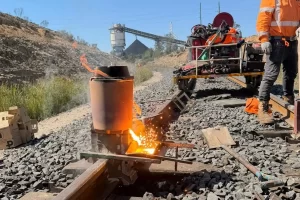
- rail welding
- specialist labour
- plant operations
An integrated approach improves communication, streamlines delivery and reduces the interfaces that often introduce delays or additional project risk.
Matrix’s Approach to Track Renewal
At Matrix Unlimited, we view track renewal as more than replacing infrastructure—it is about restoring the long-term performance of the entire rail asset.
Our teams work across rail and civil disciplines to deliver practical, well-planned renewal solutions that consider the condition of the complete track system rather than individual components in isolation.
Whether supporting major infrastructure programs, regional maintenance activities or shutdown renewals, we combine experienced personnel, specialist plant and disciplined project delivery to help clients achieve safe, reliable and efficient project outcomes.
Every project is approached with the understanding that today’s renewal investment should continue delivering value well into the future.
Conclusion
Railway track renewal is one of the most important investments infrastructure owners can make in the long-term safety, reliability and performance of their network.
While replacing worn rail is an important part of the process, the most successful renewal programs address the broader condition of the track structure – from formation and drainage through to ballast, sleepers and rail.
By taking an integrated view of both rail and civil infrastructure, asset owners can improve network performance, reduce lifecycle costs and maximise the return on renewal investment.
Need an Experienced Rail Infrastructure Partner?
Matrix Unlimited delivers specialist rail construction, formation rehabilitation, drainage, civil construction, rail labour and plant solutions across Australia.
Whether supporting shutdowns, capital renewals or maintenance programs, our experienced team is ready to help deliver safe, reliable infrastructure outcomes.
Contact Matrix Unlimited to discuss your next rail infrastructure project.