Rail maintenance protects the safety, reliability and long-term value of rail infrastructure. When asset owners identify deterioration early, they can plan targeted work before a manageable defect develops into an operational restriction, major renewal or service-affecting failure.
Preventative work does not remove every fault, nor does it replace engineering assessment or asset-owner decision-making. However, a disciplined maintenance program gives rail infrastructure managers better information, more control over intervention timing and a stronger basis for allocating resources. This guide explains where the savings arise, what effective maintenance involves and how delivery teams can support planned works.
Why Rail Maintenance Matters Financially
The cost of a rail defect extends beyond the physical repair. A deteriorated track component may lead to a temporary speed restriction, unplanned possession, disrupted freight movement or changes to passenger services. Consequently, the total impact can include labour, plant, logistics, access, operational delay and reputational costs.
Early intervention usually gives the asset owner more options. For example, a team may address localised drainage problems, replace worn components or correct track conditions during a planned access window. If the issue continues to deteriorate, the eventual scope may require heavier plant, more materials and a longer shutdown.
Across a large network or multiyear program, avoiding even a small number of major failures can protect millions of dollars in operating and capital value. However, each saving depends on the asset condition, traffic, failure risk and approved intervention. Therefore, project teams should assess whole-of-life risk rather than rely on a generic savings figure.
Where Preventative Maintenance Creates Value
Preventative maintenance creates value by controlling deterioration before it materially affects operations. It also helps asset managers group compatible tasks into planned possessions, improving the use of people, plant and access time.
The principal benefits often include:
- fewer reactive call-outs and emergency mobilisations
- earlier treatment of localised wear or defects
- better use of planned possessions and shutdowns
- reduced exposure to speed restrictions and service disruption
- longer useful life for serviceable components
- clearer forecasts for renewals, labour, materials and plant
- improved reliability data for future maintenance planning
In addition, planned work allows teams to confirm competencies, work methods, materials, access and environmental controls before arriving on site. As a result, the project can avoid much of the uncertainty that accompanies an urgent response.
Track and Component Inspections
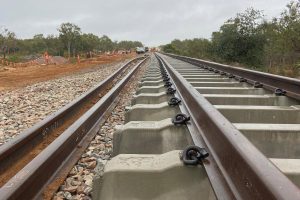
Inspection teams identify visible deterioration, changing track conditions and defects that require further assessment. Depending on the asset and approved regime, they may examine rail, sleepers, fastenings, ballast, turnouts, formation, drainage and structures.
Accurate records matter because one observation rarely tells the whole story. Therefore, teams should record the location, condition, severity and supporting evidence in the asset owner’s required format. Engineers or authorised asset representatives can then determine the appropriate response.
Core Elements of Effective Rail Maintenance
An effective program connects condition information with risk-based planning and controlled site delivery. The relevant rail infrastructure manager sets the inspection regime, maintenance standards, intervention limits and acceptance requirements for its network.
Routine Servicing and Minor Intervention
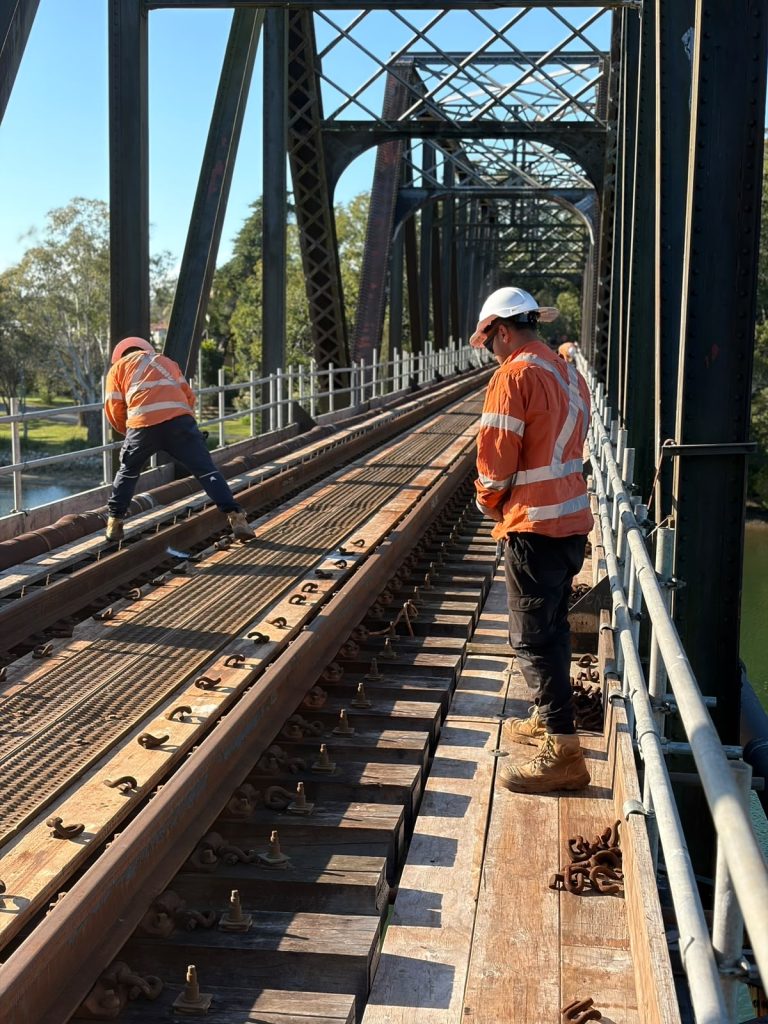
Routine tasks may include lubrication, greasing, tightening, minor adjustment, vegetation control, cleaning and replacement of approved wear items. These activities can slow deterioration and keep serviceable components functioning as intended.
However, maintenance workers must stay within the approved scope and their competencies. They should report conditions that fall outside the work instruction rather than improvise a technical solution.
Planned Corrective Works
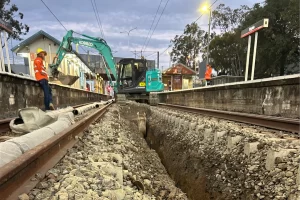
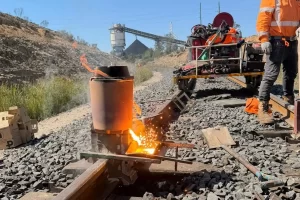
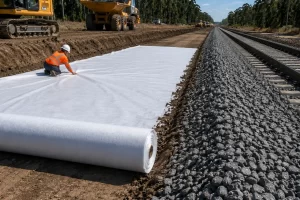
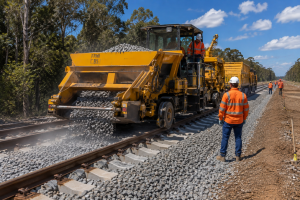
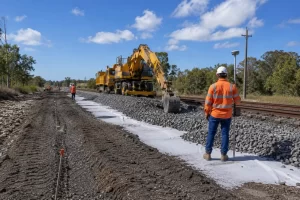
Condition data may identify work that exceeds routine servicing but does not yet require a major renewal. For example, a program might include localised sleeper replacement, ballast work, turnout maintenance, drainage repairs, rail welding or formation treatment.
By scheduling these tasks early, the asset owner can align access, resources and materials with the wider program. Consequently, the team can address several known issues within one controlled work window.
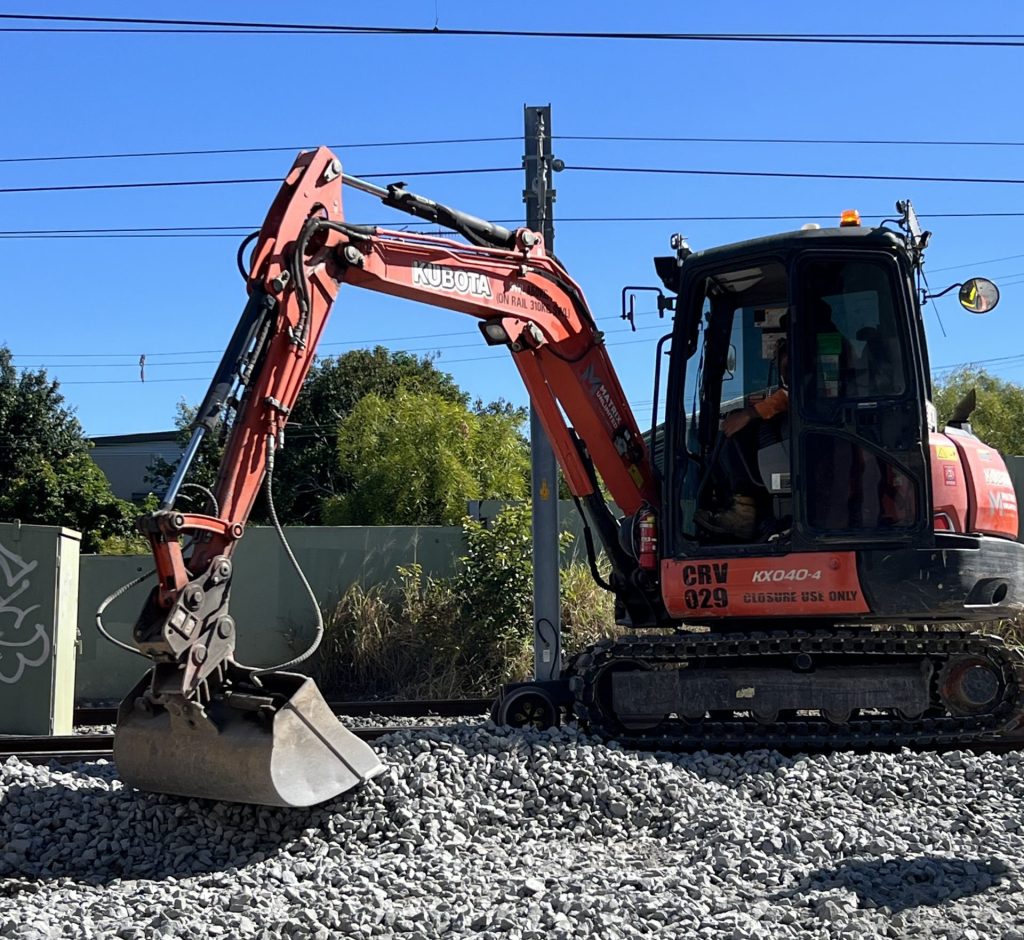
Planning Preventative Rail Maintenance
Good planning converts a maintenance need into an achievable work package. Before mobilisation, the responsible parties should confirm the scope, access arrangements, interfaces and acceptance criteria.
The planning team should:
- verify the applicable drawings, specifications and asset-owner standards
- define work limits, priorities and hold points
- confirm worker competencies, inductions and network access
- identify required plant, tools, materials and spare components
- coordinate rail safety, possession and isolation arrangements
- review fatigue, transport and accommodation requirements
- establish environmental controls and waste arrangements
- confirm inspection, testing and handback records
- prepare contingencies for weather, access or changed conditions
Meanwhile, planners should review how each task affects adjacent work fronts. A drainage repair may require earthworks and spoil management, while track work may depend on welding, ballast or plant support. Coordinating these interfaces early reduces idle time and avoids conflicting activities within a restricted corridor.
Delivering Maintenance During Planned Access
Maintenance delivery should follow the approved work pack, rail safety arrangements and site controls. Although every project differs, a controlled process generally follows four stages.
1. Confirm the Worksite and Controls
The site team completes the required pre-start activities and confirms the work limits, access authority, communication process and emergency arrangements. Supervisors also verify that personnel understand their duties and that the selected plant suits the approved task.
2. Inspect the Existing Condition
Before starting, the team compares the observed condition with the work pack. If the site differs materially from the documentation, workers pause the affected activity and escalate the issue through the nominated process.
3. Complete the Approved Maintenance Scope
Crews then perform the defined work in the planned sequence. During delivery, supervisors coordinate labour, operators, plant and materials so that activities remain within the work limits and available access window.
4. Inspect, Record and Hand Back
Following completion, the responsible personnel inspect the work against the specified acceptance requirements. The team closes records, removes waste and temporary controls, and completes the required handback process before the infrastructure returns to operation.
Safety and Environmental Controls
Rail corridors combine operational interfaces, mobile plant, restricted access, uneven ground and time-sensitive work. Therefore, maintenance teams must follow the rail infrastructure manager’s rules, the principal contractor’s systems and the approved project documentation.
Key controls may address:
- rail traffic and safeworking interfaces
- worksite protection, exclusions and communication
- powered mobile plant and people separation
- electrical, underground and overhead services
- fatigue during night work or extended possessions
- manual handling, noise, dust and hazardous substances
- emergency response and changing weather
- erosion, sediment, fuels, waste and vegetation impacts
Some work in or beside an operating railway may meet the definition of high-risk construction work. In those cases, the applicable duty holder must prepare and follow a suitable safe work method statement. More broadly, all parties should consult, cooperate and coordinate where their duties overlap.
Environmental planning also protects the asset. For example, uncontrolled runoff can undermine formation or carry sediment into drainage systems. Consequently, teams should maintain drainage paths, stabilise disturbed areas and manage spoil in accordance with the approved environmental controls.
Quality Assurance and Maintenance Records
Quality records demonstrate what the team completed, where it occurred and whether the work met the specified requirements. They also give the asset owner better information for future inspections and renewal planning.
Depending on the scope, the handover package may include:
- inspection and test plan records
- completed checklists and work orders
- location and asset identification details
- measurements, test results or welding records
- material and component traceability
- photographs before, during and after work
- non-conformance and corrective-action records
- defect reports for items outside the approved scope
- as-built information where the contract requires it
- possession, completion and handback documentation
Importantly, a complete record does more than close a work order. It allows maintenance planners to compare condition over time, identify repeat defects and decide whether the current treatment remains appropriate.
Common Challenges That Increase Maintenance Costs
Deferred work presents the most obvious challenge. A minor defect may remain manageable for some time, but changing loads, weather or drainage conditions can accelerate deterioration. As a result, the eventual intervention may become larger and harder to schedule.
Poor scope definition also creates avoidable cost. If a crew reaches site without the correct materials, plant or access authority, the available possession may deliver little value. In addition, incomplete condition data can hide the true extent of the work.
Other recurring challenges include:
- short access windows and competing work groups
- remote locations and long mobilisation distances
- unavailable specialist workers or operators
- wet weather, heat and ground conditions
- ageing assets with limited historical records
- repeat faults caused by an unresolved underlying condition
- delayed materials or incompatible components
- weak close-out records and loss of maintenance history
Strong communication helps teams manage these issues. Nevertheless, workers should never extend a scope or adopt an unapproved repair simply to meet a deadline. The authorised decision-maker must assess changed conditions and approve the next step.
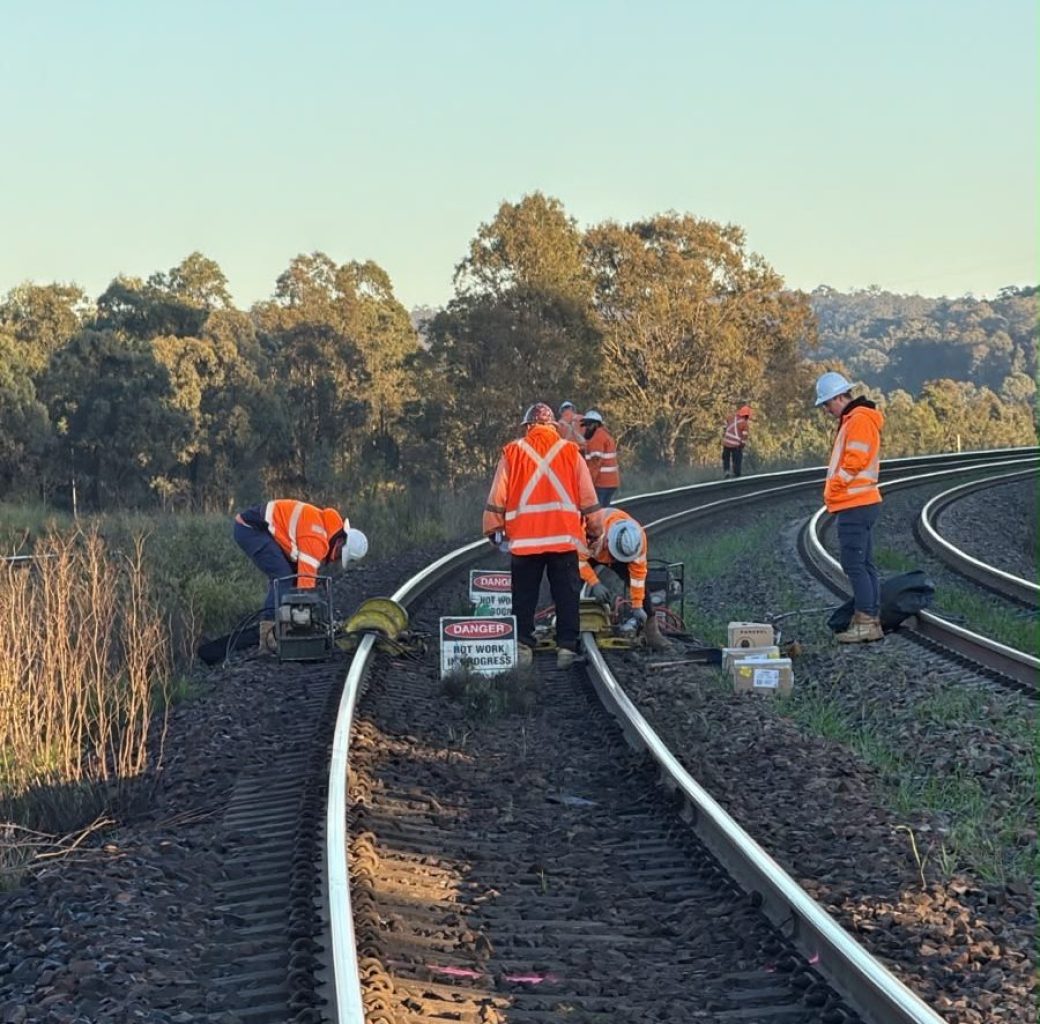
How Matrix Unlimited Supports Rail Maintenance
Matrix Unlimited supports planned and corrective rail works through defined combinations of skilled labour, plant, qualified operators and site supervision. Depending on the project scope, teams can assist with track maintenance, track renewal, rail welding, ballast and formation works, drainage, civil activities and possession or shutdown support.
This combined capability can reduce the number of interfaces that a client needs to coordinate. For example, a maintenance package may require rail workers, an experienced plant operator and civil support to address a trackside drainage issue. Bringing compatible resources together can simplify mobilisation and workface coordination.
Matrix delivers work in accordance with the client’s scope, approved documentation and applicable asset-owner requirements. Engineering assessment, design acceptance and network approval remain with the appropriately authorised parties.
Learn more about Matrix Unlimited’s rail and infrastructure services and rail plant hire. For workforce planning, see How Rail Labour Hire Reduces Project Risk.
Frequently Asked Questions
What is preventative rail maintenance?
Preventative rail maintenance involves planned inspections, servicing and targeted intervention before an asset fault causes a major operational or renewal requirement. The rail infrastructure manager defines the relevant standards, frequencies and response limits.
How does rail maintenance reduce whole-of-life cost?
Rail maintenance can identify deterioration early, protect serviceable components and reduce reactive mobilisation. It also helps asset owners plan labour, plant, materials and access before the work becomes urgent or more extensive.
What activities form part of routine track maintenance?
Routine track maintenance may include inspections, lubrication, minor adjustments, approved wear-item replacement, ballast or drainage attention and defect reporting. The exact scope depends on the asset, network rules, worker competencies and approved maintenance documentation.
Who decides when rail infrastructure requires repair or renewal?
The relevant rail infrastructure manager or its authorised representatives set inspection requirements and determine the response to asset condition. Contractors deliver the approved scope and report unexpected conditions through the agreed process.
Planned Rail Maintenance Protects Long-Term Value
Effective rail maintenance gives asset owners time to act before deterioration drives a more disruptive and expensive response. It supports safer planning, better possession use, clearer cost forecasting and more reliable infrastructure. Over a large network, those benefits can protect millions of dollars in asset and operational value.
Matrix Unlimited can support defined maintenance packages with experienced rail and civil labour, plant, operators, supervision and regional delivery capability. Contact Matrix Unlimited to discuss the resources and delivery support required for your next maintenance program.