
Stormwater Infrastructure for Rail Corridors
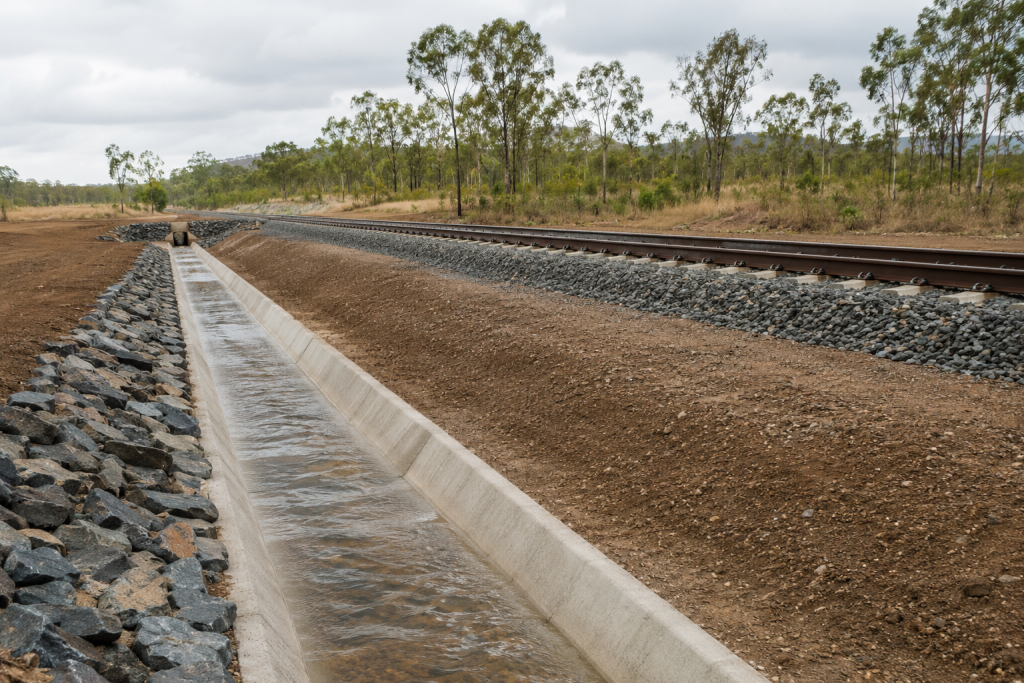
Stormwater rail infrastructure protects track formation, structures, access roads and adjoining land by directing runoff through a controlled drainage system. In a rail corridor, poor water management can soften formation materials, contaminate ballast, erode batters, block access and increase the maintenance burden on the operating asset. Effective drainage is therefore not an isolated civil work. […]
Pit and Pipe Construction for Infrastructure Projects
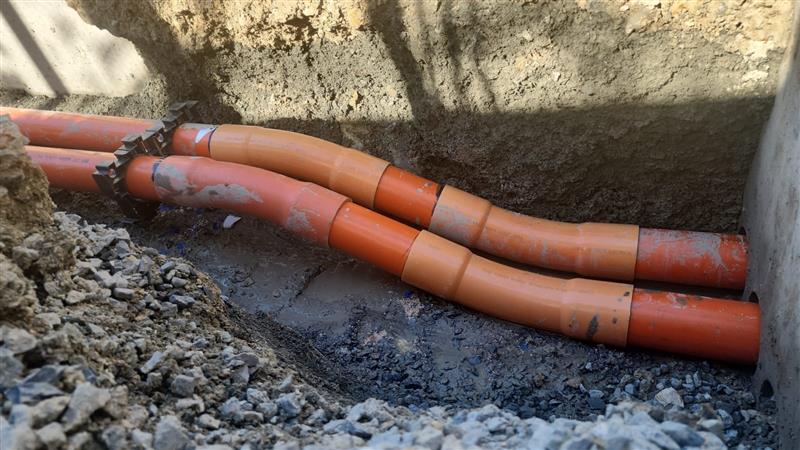
Pit and pipe construction creates the underground pathways and access points that allow power, communications and control services to operate across complex infrastructure sites. Although the finished system is largely out of sight, its quality affects cable protection, maintenance access, drainage, future upgrades and the reliability of the wider asset. For rail, road, port and […]
Why Drainage Is Critical to Railway Performance
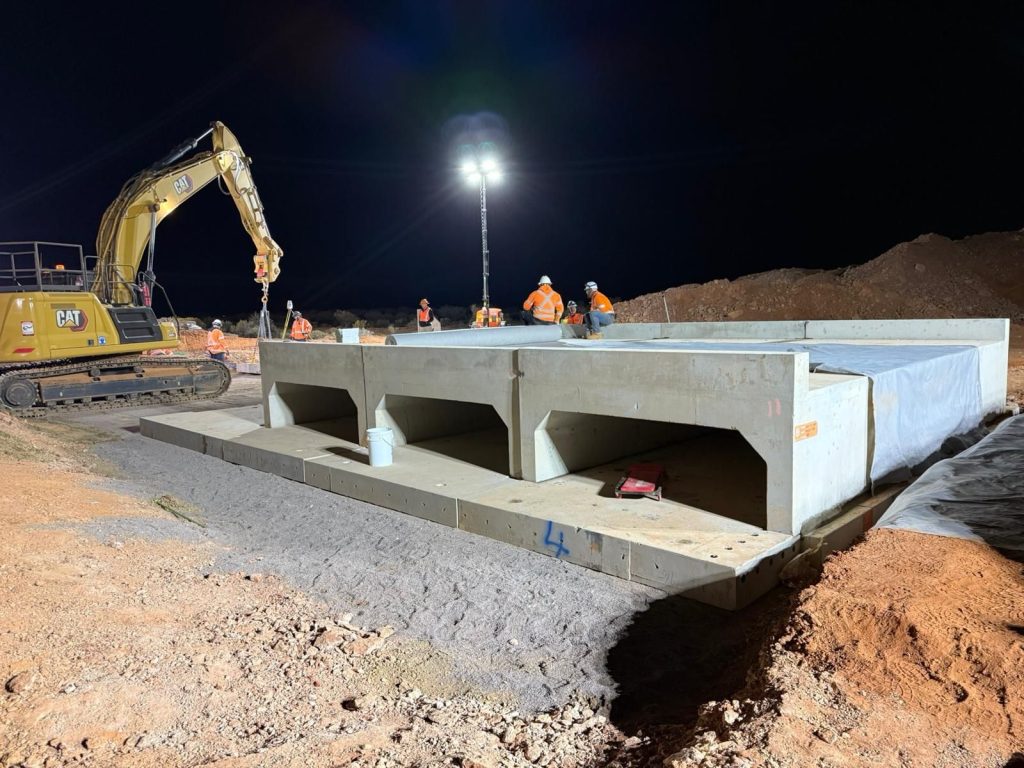
Railway infrastructure is designed to carry significant loads over long periods. However, one of the greatest threats to track performance does not come from the trains above the track. It comes from water below and around it. Effective rail drainage helps protect ballast, formation and subgrade from excessive moisture. In turn, this supports track stability […]
What Happens During a Rail Possession?
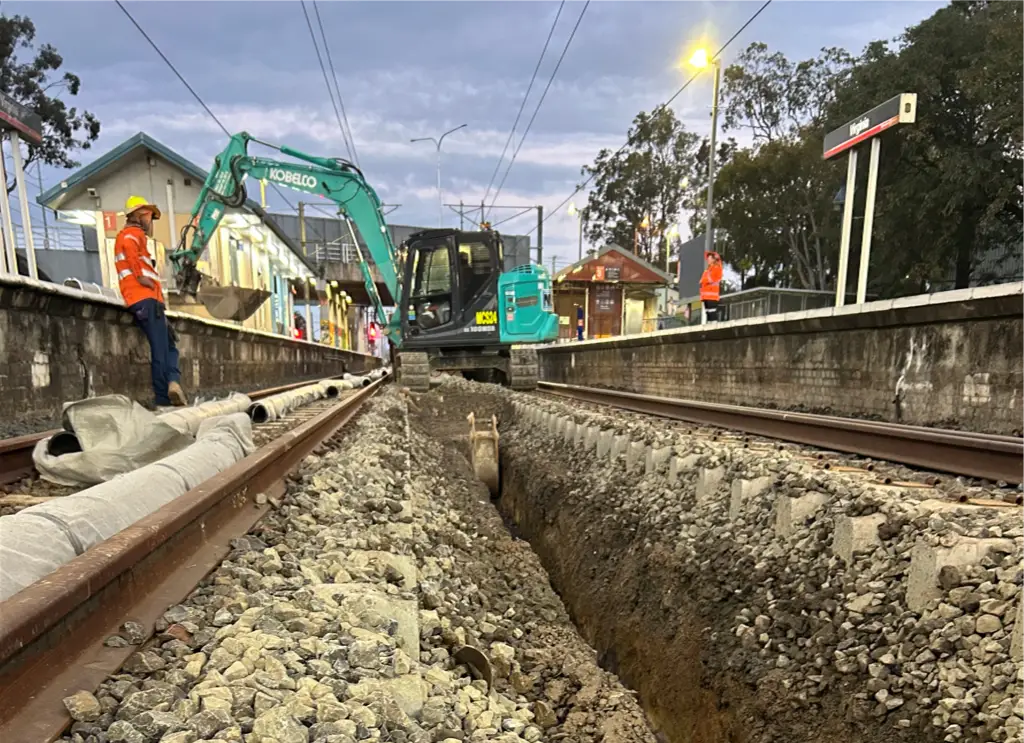
For most rail passengers, railway maintenance seems to happen almost invisibly. A section of track closes, rail crews complete the required works, and services resume. Behind that process, however, is a carefully planned and highly coordinated rail possession involving people, plant, materials, safety controls and multiple work activities operating within a limited window. For rail […]
Rail Welding Explained: Why Precision Matters
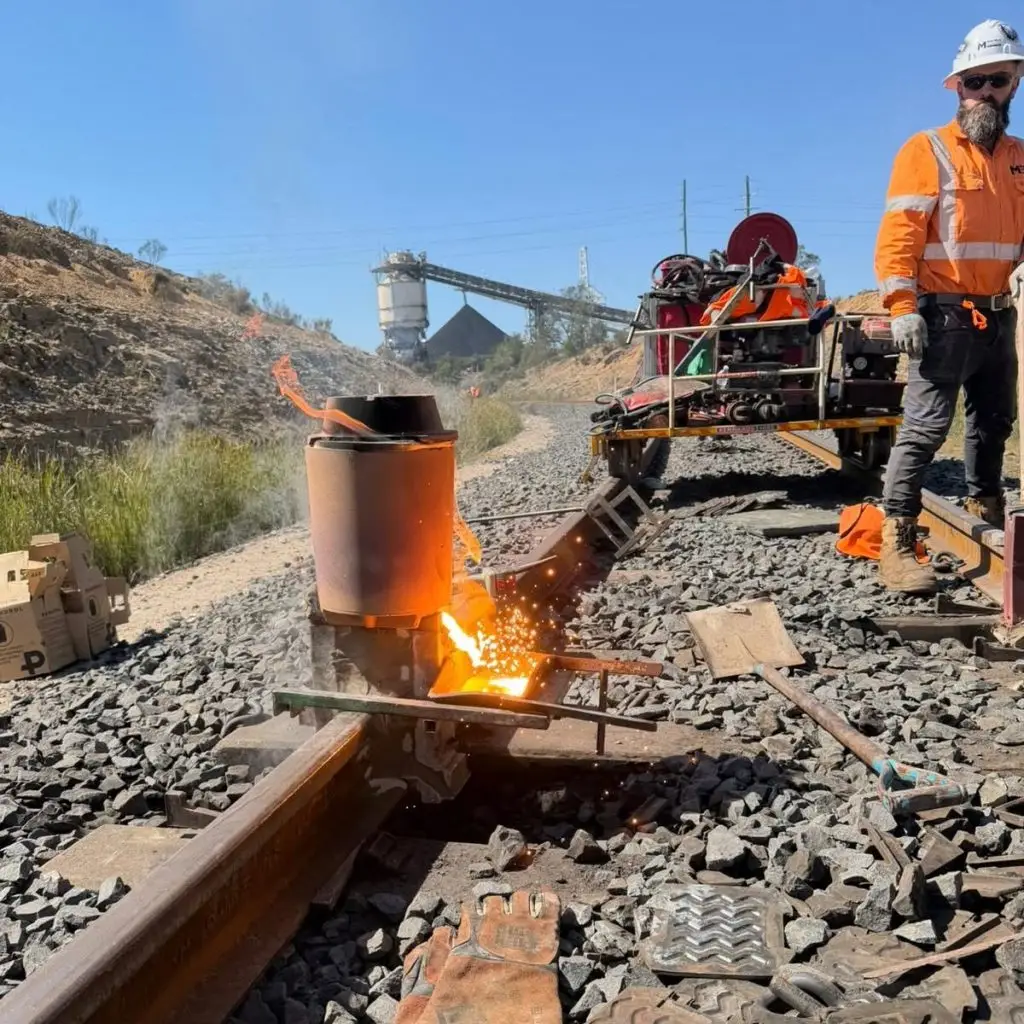
Rail welding is a critical part of building and maintaining safe, reliable railway infrastructure. While a completed weld may represent only a small section of track, its quality can influence track integrity, ride performance, maintenance requirements and the long-term reliability of the rail asset. For infrastructure owners and project teams, rail welding is therefore much […]
How Geofabric Improves Railway Formation Stability
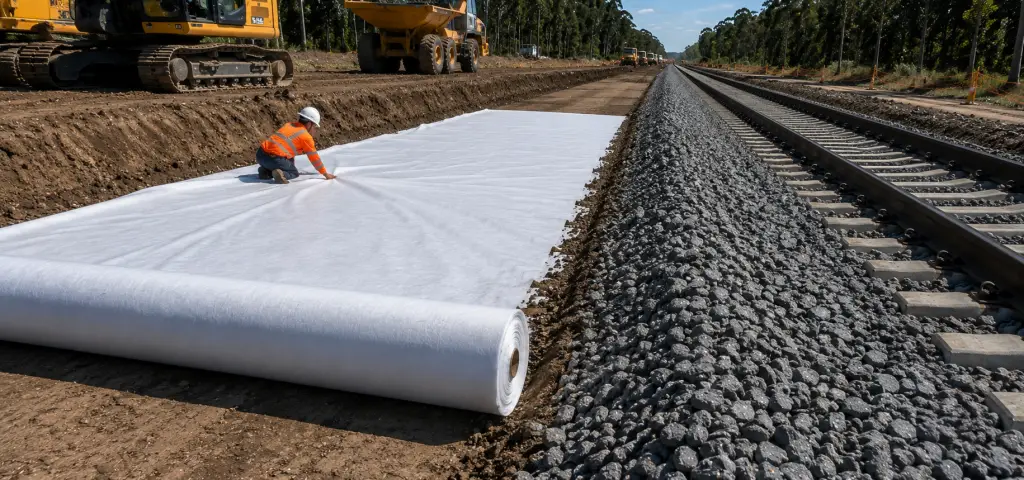
Much of what makes a railway reliable cannot be seen once construction is complete. While rails, sleepers and ballast receive most of the attention, one of the most valuable components of modern railway construction lies hidden beneath the track—the geofabric. Often referred to as geotextile, geofabric is used extensively throughout Australian rail infrastructure projects to […]
Understanding Ballast Installation in Rail Infrastructure
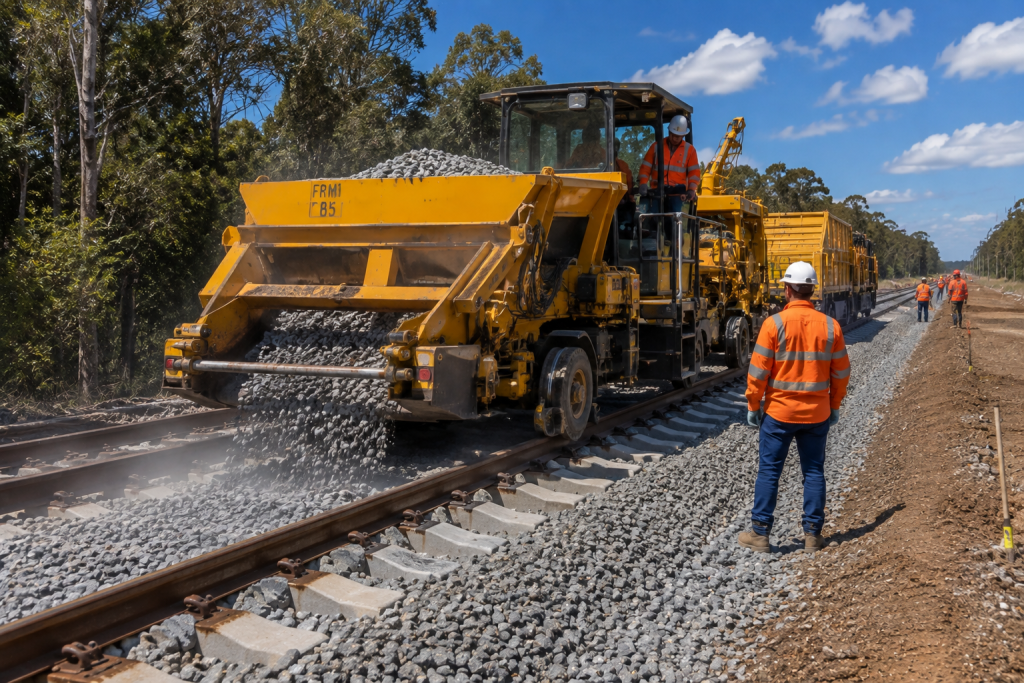
Railway ballast is often one of the most visible components of a rail network, yet its importance is frequently underestimated. While rail, sleepers and signalling naturally attract attention, the ballast beneath the track plays a critical role in maintaining safety, ride quality and long-term infrastructure performance. Proper ballast installation is far more than simply placing […]
What Is Formation Rehabilitation and Why Is It Critical?
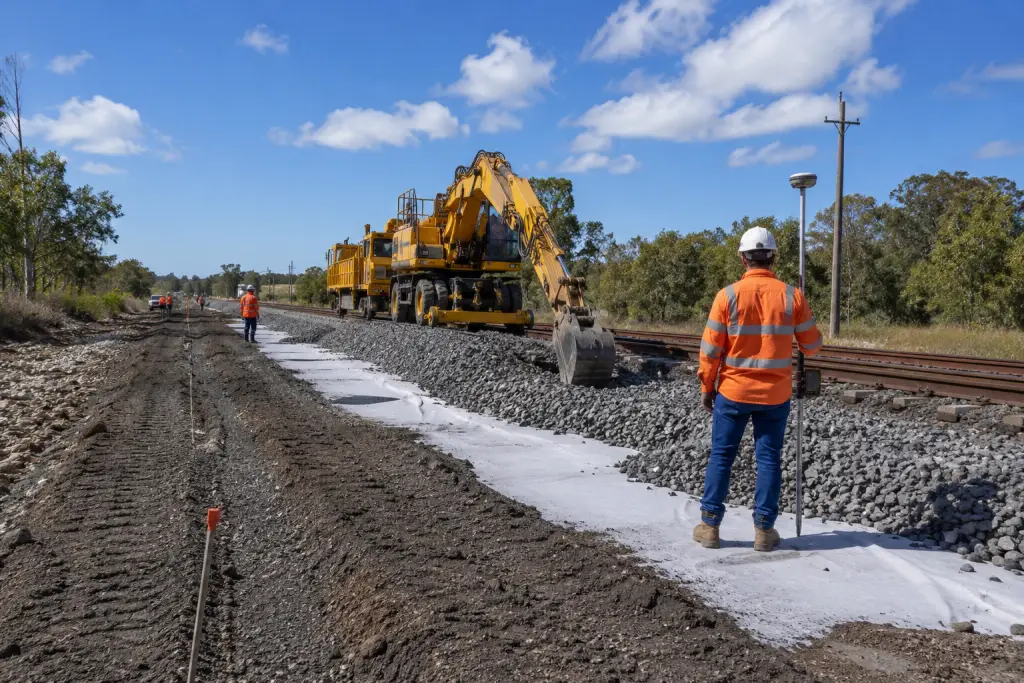
When people think about railway infrastructure, they naturally focus on the visible components – the rail, sleepers and ballast. However, one of the most important elements of any rail network lies beneath the surface. The railway formation. While largely hidden from view, the formation provides the structural foundation that supports every train movement. When this […]
Matrix Supports Formation Rehabilitation and Track Renewal Works in Darra, NSW
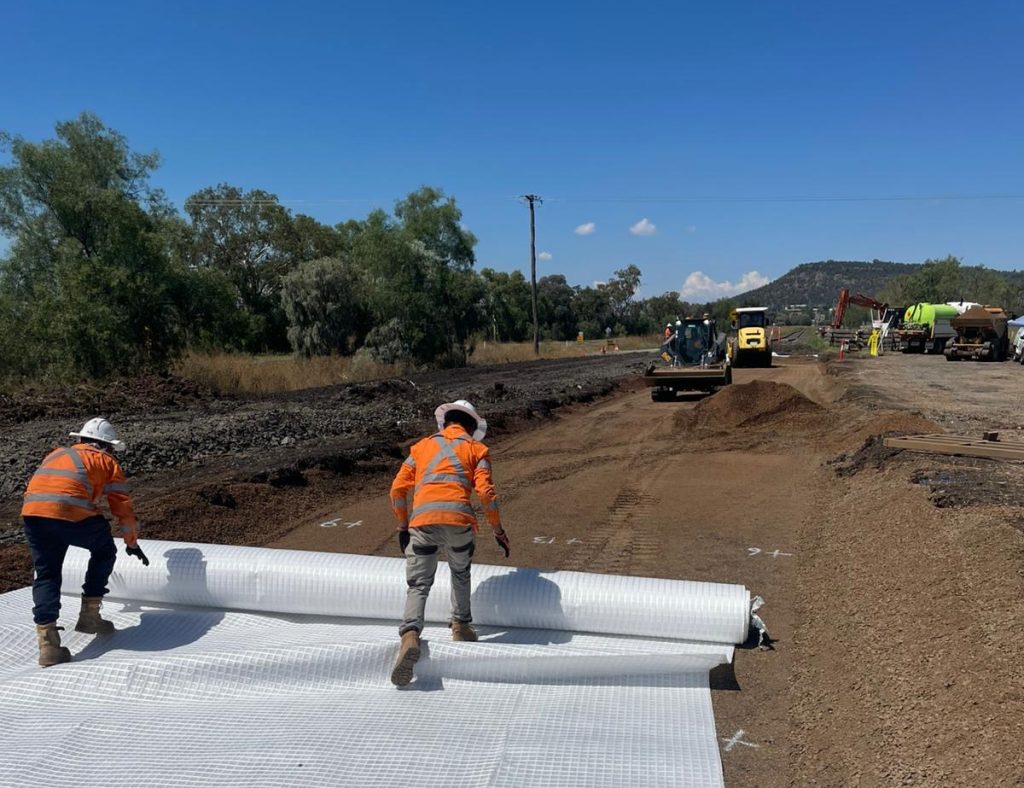
Reliable railway infrastructure begins with a strong foundation. Matrix Unlimited recently supported critical formation rehabilitation and track renewal works in Darra, NSW, providing experienced rail personnel and specialist welding services to assist the principal contractor in delivering a safe, efficient and high-quality outcome. Importantly, working collaboratively with the broader project team, our experienced workforce contributed […]